
Bitcoin price by 2040 captures the imagination of investors and tech enthusiasts alike as the cryptocurrency continues to evolve in a rapidly changing financial landscape. With its dramatic rise from a mere few cents to thousands of dollars, Bitcoin stands as a testament to innovation and speculation in the digital age.
This overview will explore the historical context, influencing factors, expert predictions, and the broader implications of Bitcoin’s value as we look toward 2040, offering insights into what the future may hold for this pioneering digital currency.
Historical Context of Bitcoin Pricing
Since its inception in 2009, Bitcoin has undergone a remarkable transformation, evolving from a niche digital currency into a mainstream financial asset. Initially valued at just a few cents, Bitcoin’s price trajectory has been marked by extreme volatility, significant surges, and notable crashes, making it a captivating case study in economic phenomena. Understanding the historical context of Bitcoin pricing offers valuable insights into its market behavior and the factors influencing its valuation over time.The price of Bitcoin has experienced several key milestones and events that have shaped its current standing in the financial world.
Below is a timeline highlighting significant moments in Bitcoin’s pricing history:
Significant Price Milestones
The following timeline Artikels critical price points and events that have significantly impacted Bitcoin’s valuation:
- 2009: Bitcoin launches, initially valued at $0.0008 per coin during its first trades.
- 2010: The first real-world transaction occurs when a programmer buys two pizzas for 10,000 BTC, establishing Bitcoin’s initial value around $0.003.
- 2013: Bitcoin surges to over $1,000 for the first time, driven by growing adoption and media attention.
- 2017: A historic bull run takes Bitcoin to nearly $20,000, as interest from institutional investors and the public peaks.
- 2018: Following a meteoric rise, Bitcoin experiences a significant crash, dropping to around $3,200 by December.
- 2020: Bitcoin begins a new rally, fueled by institutional investment and the global pandemic, surpassing $20,000 again.
- 2021: Bitcoin reaches an all-time high of approximately $64,000 in April, showcasing its growing acceptance as a digital asset.
- 2022: The price drops significantly due to macroeconomic factors, falling to around $19,000 by the end of the year.
- 2023: Bitcoin begins to recover, fluctuating between $25,000 to $35,000, as regulatory discussions and technological advancements take shape.
The price trends of Bitcoin can be compared with traditional currencies and commodities such as gold. Unlike fiat currencies, which are generally stable and regulated by central banks, Bitcoin exhibits high volatility with sharp price swings that reflect market sentiment, regulatory news, and technological developments.
“The volatility of Bitcoin offers opportunities for profit but also comes with significant risk, distinguishing it from traditional currencies and investments.”
In contrast to commodities like gold, which has a long-standing value as a hedge against inflation, Bitcoin is often viewed through the lens of speculation. Investors are drawn to Bitcoin’s potential as a store of value and an alternative asset class, yet remain cautious due to its unpredictable nature. As Bitcoin continues to evolve, its historical pricing context remains crucial for understanding future trends and market movements.
Factors Influencing Bitcoin Price
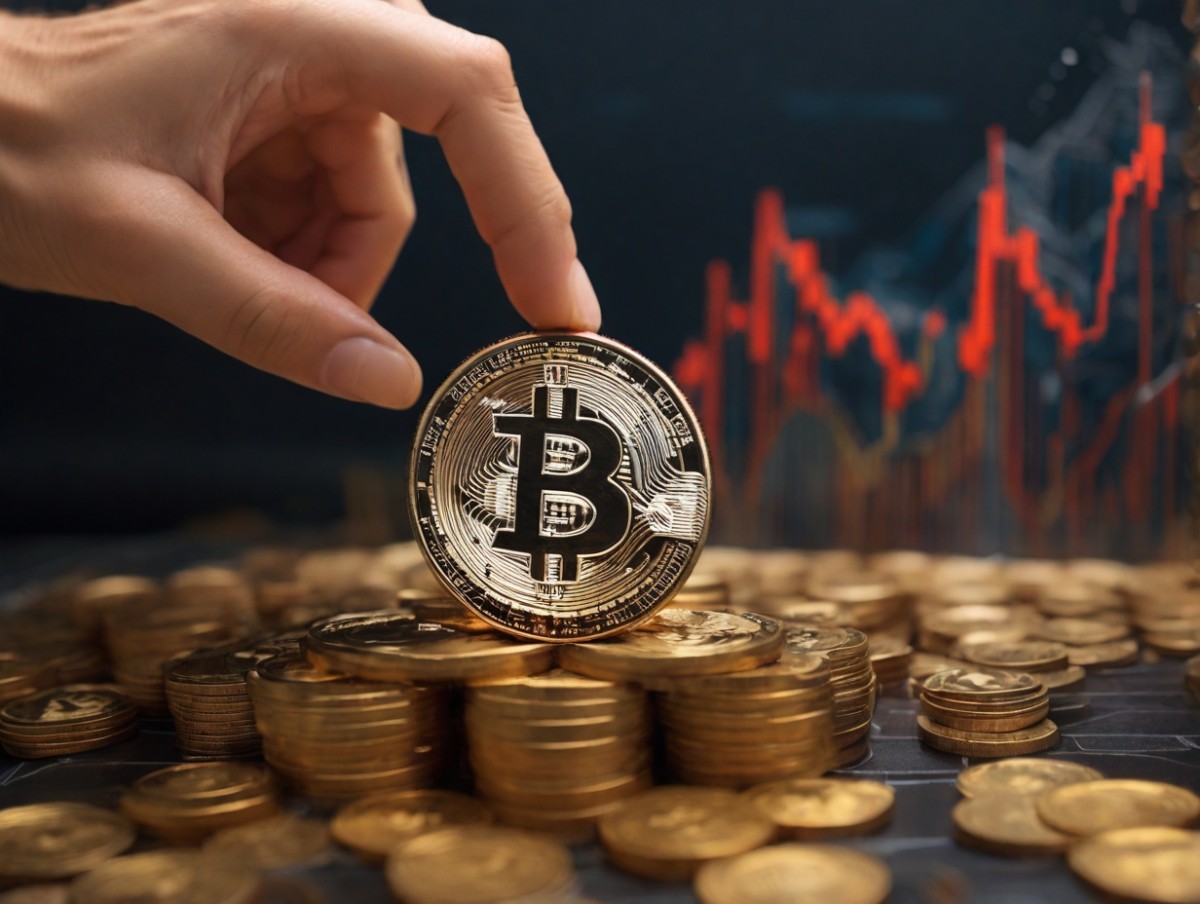
Bitcoin’s price is highly dynamic, driven by a variety of factors that impact its valuation in the market. Understanding these influences is crucial for investors and enthusiasts alike, as they navigate the complexities of cryptocurrency trading and investment.One of the primary elements affecting Bitcoin pricing is economic indicators. These indicators can provide insights into the broader economic environment in which Bitcoin operates.
Factors such as inflation rates, interest rates, and gross domestic product (GDP) growth can significantly impact how investors view Bitcoin as an asset.
Key Economic Indicators
Economic indicators offer a lens through which to examine Bitcoin’s market price. Several key indicators are particularly influential:
- Inflation Rates: High inflation can lead investors to seek alternative stores of value, such as Bitcoin, causing its price to rise.
- Interest Rates: Lower interest rates typically reduce the opportunity cost of holding non-yielding assets like Bitcoin, making it a more attractive investment.
- Market Liquidity: The availability of capital in financial markets affects Bitcoin trading volumes and price fluctuations. Increased liquidity can lead to more significant price movements.
The role of market sentiment and investor behavior cannot be overstated when discussing Bitcoin’s price. These psychological factors often fuel rapid changes in price, reflecting collective beliefs and emotions in the marketplace.
Market Sentiment and Investor Behavior
Investor sentiment plays a critical role in Bitcoin’s price volatility. The collective mood of the market can lead to bullish (optimistic) or bearish (pessimistic) trends. Notable factors include:
- Social Media Influence: Platforms like Twitter and Reddit can amplify market sentiment, leading to rapid shifts in Bitcoin’s price based on trending discussions.
- Speculation and FOMO: Fear of missing out (FOMO) can drive investors to buy into Bitcoin during price surges, inflating its value further.
- Market Manipulation: Large holders of Bitcoin, often referred to as “whales,” can influence markets by making significant trades, impacting overall sentiment.
Lastly, regulatory changes can have profound implications for Bitcoin’s market value, as governments continue to develop frameworks around cryptocurrencies.
Impact of Regulatory Changes
Regulatory environments can either bolster or hinder Bitcoin’s adoption and valuation. Key aspects of regulation that affect Bitcoin include:
- Legal Status: The classification of Bitcoin as a commodity or currency varies by jurisdiction, affecting its treatment under law and its potential for mainstream adoption.
- Tax Implications: Changes in tax policies regarding cryptocurrency can influence investor behavior, either encouraging or discouraging investments based on potential liabilities.
- Exchange Regulations: Stricter regulations on exchanges can lead to decreased liquidity and increased compliance costs, ultimately impacting Bitcoin’s price.
As the cryptocurrency landscape continues to evolve, these factors remain pivotal in shaping Bitcoin’s market dynamics, influencing both its immediate pricing and long-term viability.
Predictions for Bitcoin Price in 2040
As we look toward the future of Bitcoin, several experts and analysts have contributed their forecasts regarding its price trajectory by 2040. These predictions are grounded in various methodologies, including market analysis, technological developments, and macroeconomic trends. Given the volatile nature of cryptocurrency, these forecasts vary widely, reflecting the complexity of factors that could influence Bitcoin’s value over the next two decades.Different analysts often utilize distinct approaches when estimating Bitcoin’s future price, leading to a diverse range of predictions.
Below is a comparative table that highlights various expert forecasts, alongside the methodologies they employed to arrive at their conclusions.
| Analyst | Prediction (USD) | Methodology |
|---|---|---|
| Tim Draper | 250,000 | Adoption rates and historical price trends |
| PlanB | 1,000,000 | S2F (Stock-to-Flow) model |
| Willy Woo | 500,000 | On-chain analysis and network value |
| JPMorgan Chase | 130,000 | Market trends and institutional investment |
The vast array of predictions demonstrates the uncertainty and potential volatility surrounding Bitcoin’s future. Several scenarios could lead to differing price outcomes by
2040. The following circumstances highlight key factors that could influence Bitcoin’s price trajectory
1. Mass Adoption
Increased acceptance of Bitcoin as a form of payment by mainstream businesses can lead to higher demand and subsequently, a surge in price.
2. Regulation
Favorable regulatory environments in major economies could encourage institutional investments, while stringent laws could hinder price growth.
3. Technological Advancements
Innovations in blockchain technology, scaling solutions, and improvements in security could enhance Bitcoin’s utility, potentially impacting its value positively.
4. Market Dynamics
Economic crises, inflation rates, and shifts in investment trends could alter investor sentiment and affect Bitcoin prices significantly.
5. Competition
The emergence of new cryptocurrencies offering similar or better functionalities than Bitcoin might impact its market share and price stability.
“Bitcoin’s future price will largely depend on its adoption rate, regulatory landscape, and macroeconomic conditions.”
By analyzing these scenarios and the predictions laid out by various experts, investors and enthusiasts can form a more informed perspective on what Bitcoin’s value may look like in 2040.
Technological Developments and Their Impact
The evolution of Bitcoin is intricately linked to advancements in blockchain technology and various innovations that are shaping its future. As we look ahead to 2040, understanding these technological developments is crucial for grasping how they could influence Bitcoin’s valuation. Innovations in blockchain, scalability solutions, and mining technologies are just a few of the key areas that will play a pivotal role in determining Bitcoin’s price trajectory.
Innovations in Blockchain Technology
Blockchain technology continues to evolve, with several innovations expected to significantly impact Bitcoin’s value. These advancements focus on enhancing security, efficiency, and user accessibility, ultimately leading to increased adoption.
- Smart Contracts: The integration of smart contracts into Bitcoin’s blockchain infrastructure may enhance its capabilities. This will allow for automated transactions without intermediaries, increasing usability and attracting businesses.
- Interoperability: Efforts to improve interoperability between various blockchain networks facilitate the seamless transfer of value across platforms. This can lead to greater market confidence in Bitcoin as a bridge currency.
- Privacy Enhancements: Innovations that bolster user privacy, such as zero-knowledge proofs, can attract individuals who value confidentiality in transactions, potentially driving up demand and price.
Effect of Scalability Solutions Like the Lightning Network
Scalability solutions are paramount in addressing Bitcoin’s transaction throughput limitations. The Lightning Network, in particular, offers significant promise for the future of Bitcoin transactions.The Lightning Network operates as a second-layer solution that enables faster transactions by allowing users to conduct off-chain transactions, settling only the final balance on the Bitcoin blockchain. This alleviates congestion and reduces fees. As more merchants and users adopt this technology, the increased transaction speed and lower costs could lead to heightened demand for Bitcoin.
- Reduced Transaction Fee Impact: Lower fees can encourage micropayments and everyday transactions, expanding Bitcoin’s use case beyond investment.
- Enhanced User Experience: Faster transaction confirmations make Bitcoin more appealing for everyday purchases, potentially increasing its market adoption.
- Network Effects: As more participants join the Lightning Network, the overall utility of Bitcoin increases, potentially driving up its price as demand grows.
Relationship Between Bitcoin Mining Advancements and Price Changes
The advances in Bitcoin mining technology have a direct correlation with Bitcoin’s price. As mining becomes more efficient and cost-effective, the dynamics of supply and demand are impacted significantly.As miners utilize more sophisticated hardware, the energy consumption and operational costs associated with mining can be optimized. This leads to increased hash rates and, in turn, enhances network security. However, this can also lead to increased supply in the market, influencing Bitcoin’s price.
- Efficiency Gains: Innovations such as ASIC miners (Application-Specific Integrated Circuits) allow miners to extract Bitcoin at lower costs, potentially increasing supply and affecting market value.
- Energy Costs and Regulation: Fluctuations in energy costs and regulatory frameworks surrounding mining can directly impact mining profitability, influencing supply and, consequently, Bitcoin’s price.
- Market Sentiment: Advances in mining technology can create positive sentiment in the market, leading to speculative price increases as investors anticipate higher production levels.
Global Economic Climate and Bitcoin
The economic environment plays a significant role in shaping the financial landscape, particularly regarding emerging digital currencies like Bitcoin. As global economic conditions fluctuate, they can dramatically influence the perception and valuation of Bitcoin, highlighting its potential as both an investment vehicle and a medium of exchange.Economic trends such as inflation, recession, and changing monetary policies can affect Bitcoin’s price.
During periods of inflation, traditional fiat currencies may lose purchasing power, prompting investors to turn to Bitcoin as a store of value. Conversely, in a recession, while many assets may decline in value, Bitcoin could be seen as a safer alternative, attracting investors looking to diversify their portfolios. Its decentralized nature allows it to be less susceptible to government manipulation, offering a financial refuge during turbulent times.
Bitcoin as a Hedge Against Economic Instability
Bitcoin has increasingly been recognized as a hedge against economic instability. Its limited supply and decentralized characteristics make it appealing amid fears of currency devaluation and systemic financial risks. Investors view Bitcoin as a digital gold, offering a safeguard against the uncertainties of traditional finance. In recent years, several countries have experienced economic challenges, leading to increased interest in cryptocurrencies.
The following points illustrate countries that are likely to adopt Bitcoin more widely by 2040, driven by economic factors:
- El Salvador: As the first country to adopt Bitcoin as legal tender, it sets a precedent for others in Latin America.
- Venezuela: In response to hyperinflation, many Venezuelans have turned to Bitcoin for stability and value retention.
- Zimbabwe: With a history of currency instability, Bitcoin offers a promising alternative for citizens seeking security.
- Argentina: Frequent economic crises have led to increasing cryptocurrency usage as a means of preserving wealth.
- Nigeria: With rising inflation rates, Bitcoin adoption has surged, particularly among the youth and tech-savvy population.
The potential for Bitcoin to function as a buffer against economic downturns further solidifies its position in the global financial ecosystem. As more nations face economic challenges, the likelihood of Bitcoin gaining traction as an alternative currency increases, paving the way for widespread adoption by 2040.
Societal Acceptance and Adoption
The journey of Bitcoin from a niche digital asset to a recognized form of currency is largely contingent upon societal acceptance and adoption. As more individuals and businesses familiarize themselves with the concept of cryptocurrencies, the overall perception and integration of Bitcoin in everyday transactions evolve. The factors that promote or inhibit this acceptance are vital for understanding Bitcoin’s future role in the global economy.The promotion of Bitcoin’s acceptance in daily transactions is influenced by several factors.
Key among these are regulatory developments, technological innovations, and the growing number of platforms facilitating cryptocurrency transactions. However, challenges such as security concerns, volatility, and lack of consumer education also play a significant role in hindering widespread adoption.
Factors Influencing Acceptance
To gain a comprehensive understanding of societal acceptance, several elements come into play that can either foster or challenge the adoption of Bitcoin.
- Regulatory Clarity: Clear regulations can bolster consumer confidence, encouraging businesses to adopt Bitcoin as a payment tool. Countries with supportive laws tend to see a higher usage rate.
- Security Measures: Enhanced security protocols reduce fear of hacking and fraud, making users more comfortable engaging in transactions with Bitcoin.
- Volatility Management: Addressing Bitcoin’s price volatility is crucial; solutions such as stablecoins are being explored to provide a more stable transaction medium.
- Technological Advancements: Improvements in blockchain technology and payment processing systems can lead to faster and more efficient Bitcoin transactions.
- Consumer Education: As more people understand how Bitcoin works, their willingness to use it in daily transactions increases.
Key Industries Integrating Bitcoin Payments
Several sectors are leading the charge in accepting Bitcoin as a payment method, which reflects a broader trend towards mainstream adoption.
- Retail and E-Commerce: Major retail giants like Overstock and Newegg have integrated Bitcoin payment options, paving the way for others in the industry.
- Travel and Hospitality: Companies like Expedia and CheapAir allow customers to book flights and accommodations using Bitcoin, catering to tech-savvy travelers.
- Gaming and Entertainment: The gaming industry is increasingly adopting Bitcoin, with platforms offering in-game purchases and subscriptions using the cryptocurrency.
- Real Estate: Some real estate companies have begun accepting Bitcoin for property transactions, providing a unique alternative for tech-forward buyers.
Role of Education and Awareness in Adoption
Education and awareness around Bitcoin are paramount to increasing its acceptance. As the cryptocurrency landscape evolves, so does the need for comprehensive educational resources for both consumers and businesses.
- Community Workshops: Local events and workshops can demystify Bitcoin, making it more accessible and less intimidating for the average person.
- Online Courses and Webinars: Digital platforms offer courses that explain Bitcoin fundamentals and practical usage, further enhancing user comprehension.
- Social Media Campaigns: Engaging campaigns on platforms like Twitter and Facebook can spread awareness and highlight the benefits of using Bitcoin.
- Collaborations with Financial Institutions: Partnerships between educational institutions and banks can provide practical insights into cryptocurrency usage and safety.
Risks and Challenges Ahead
The trajectory of Bitcoin pricing by 2040 is not just dependent on its technological advancements and growing adoption. Multiple risks and challenges could derail its progress, potentially impacting investment returns and the overall market stability. A comprehensive understanding of these risks will help investors make more informed decisions.Technological, regulatory, and market risks pose significant challenges to Bitcoin’s long-term viability. Technological advancements may not always be favorable; for instance, if a superior technology emerges, Bitcoin could lose its competitive edge.
Regulatory challenges can lead to restrictions that curb its use or make compliance burdensome, while market volatility might deter institutional investors and shake consumer confidence.
Identifying Potential Risks to Bitcoin
Understanding the specific risks associated with Bitcoin investment is crucial. Below are the main categories and their implications:
| Type of Risk | Details |
|---|---|
| Technological Risks | Concerns such as security vulnerabilities, scalability issues, and the possibility of quantum computing undermining current cryptographic standards might arise. |
| Regulatory Risks | Governments around the world are contemplating regulations that could limit Bitcoin’s use, enforce taxation, or even ban it altogether. |
| Market Risks | Market manipulation, sudden price drops, and the potential for a speculative bubble can impact the viability of long-term investments in Bitcoin. |
The importance of understanding these risks is highlighted by the experiences of past market downturns, where regulatory announcements or technological failures significantly impacted prices. For example, the 2017 ICO boom ended with a massive market correction that saw Bitcoin drop from nearly $20,000 to about $3,000 in just over a year.In addition to these risks, potential investors should consider the pros and cons of long-term Bitcoin investment.
Below is a balanced view to facilitate informed decision-making:
Pros and Cons of Long-term Bitcoin Investment
Analyzing the potential rewards and pitfalls is essential for anyone considering a long-term commitment to Bitcoin. The following table Artikels this balance:
| Pros | Cons |
|---|---|
| High potential for significant returns, especially in a growing market. | Extreme volatility can lead to substantial losses. |
| Decentralization reduces reliance on any single entity. | Regulatory changes can negatively impact market dynamics. |
| Increasing adoption may enhance mainstream acceptance. | Technological risks, including security vulnerabilities, persist. |
| Potential hedge against inflation and currency devaluation. | Market sentiment can fluctuate rapidly due to external factors. |
Investing in Bitcoin by 2040 may offer substantial rewards, but it also carries inherent risks that must be carefully managed. Understanding these challenges will better prepare investors to navigate the complexities of the cryptocurrency landscape.
Investment Strategies for Bitcoin
As Bitcoin continues to evolve as a potentially transformative asset, adopting strategic investment approaches is essential for long-term success. Investors can leverage various methods depending on their financial goals, risk tolerance, and market conditions. Understanding these strategies will not only help in maximizing returns but also in navigating the volatility that is often characteristic of cryptocurrencies.One of the fundamental strategies in cryptocurrency investment is to choose between HODLing and active trading.
Each approach offers distinct advantages and requires a different mindset and commitment.
HODL vs. Trading
The “HODL” strategy, which originated from a misspelled forum post, represents a long-term buy-and-hold approach to investing in Bitcoin. This method involves purchasing Bitcoin and holding onto it through market fluctuations without attempting to time the market. Investors who adopt this strategy believe in Bitcoin’s long-term potential and are willing to weather short-term volatility.On the other hand, trading involves actively buying and selling Bitcoin based on market trends and price movements.
Traders aim to capitalize on short-term price fluctuations, which can bring about substantial gains if executed correctly. Here’s a comparative analysis of both methods:
| Aspect | HODL | Trading |
|---|---|---|
| Time Commitment | Low – minimal time spent | High – requires constant monitoring |
| Risk Level | Moderate – depends on market fluctuations | High – potential for significant losses |
| Investment Horizon | Long-term – years | Short to medium-term – days to months |
| Transaction Costs | Low – fewer transactions | High – frequent buying/selling |
| Emotional Stress | Lower – less emotional involvement | Higher – requires quick decision-making |
Investors may also consider diversifying their cryptocurrency portfolio to mitigate risk. Diversification involves spreading investments across various cryptocurrencies rather than concentrating all funds into Bitcoin alone. This strategic approach helps to cushion against volatility since different cryptocurrencies may respond differently to market conditions.
Diversification Tips
Incorporating diversified assets can enhance the potential for returns while reducing overall risk. Here are some tips on how to effectively diversify within a cryptocurrency portfolio:
Include Established Altcoins
Beyond Bitcoin, consider investing in established altcoins such as Ethereum, Litecoin, or Cardano. These assets often have strong communities and technological foundations that support their longevity.
Explore Emerging Projects
Look for promising projects that address real-world issues or offer innovative solutions within the blockchain space. If vetted correctly, these can yield high returns.
Allocate a Small Percentage to DeFi Tokens
Decentralized Finance (DeFi) tokens can provide exposure to the growing ecosystem of decentralized applications. However, these can be more volatile, so careful consideration is necessary.
Invest in Stablecoins for Liquidity
Maintaining a portion of your portfolio in stablecoins can help manage liquidity and provide a buffer during market downturns. This allows for quick repositioning when opportunities arise.Investing in Bitcoin and other cryptocurrencies can be rewarding but requires a balanced approach tailored to each investor’s goals and risk appetite. The cryptocurrency market is dynamic, and staying informed while adopting sound investment strategies can enhance the chances of success.
Outcome Summary
In conclusion, understanding the trajectory of Bitcoin price by 2040 involves not only analyzing past trends and current market dynamics but also preparing for future innovations and global economic shifts. As we venture forward, the interplay of technology, regulation, and societal acceptance will undeniably shape the landscape of Bitcoin, making it a space to watch closely.
Quick FAQs
What is the expected price of Bitcoin in 2040?
While exact predictions vary, some experts suggest Bitcoin could reach anywhere from $100,000 to over $1 million depending on market conditions and adoption rates.
How might global regulations affect Bitcoin’s price?
Regulatory changes can significantly impact Bitcoin’s market value, with favorable regulations potentially boosting price while restrictive measures may hinder its growth.
What role does mining play in Bitcoin’s pricing?
As mining becomes more efficient and integrated with renewable energy sources, it could influence Bitcoin’s supply and, consequently, its price dynamics.
Can Bitcoin be considered a safe investment for the future?
While Bitcoin offers high return potential, it also carries risks, making it essential for investors to evaluate their risk tolerance and investment strategy carefully.
What are the main factors that could drive Bitcoin’s price to increase?
Key factors include increased adoption, advancements in technology, macroeconomic stability, and positive regulatory developments.