May 30, 2026

admin

Navigating the world of cryptocurrency can feel daunting, especially when it comes to buying Bitcoin with a credit card in the USA. Choosing the right platform is crucial for a smooth and secure transaction. This guide will delve into the best app options, outlining key factors to consider and helping you make informed decisions.

From security features and transaction fees to user reviews and customer support, we’ll explore the essential aspects of buying Bitcoin with credit cards. We’ll also touch on alternative payment methods and trends in the Bitcoin purchasing market.

Introduction to Bitcoin Purchasing with Credit Cards in the USA

Buying Bitcoin with a credit card in the USA has become increasingly accessible, thanks to specialized platforms. This process involves connecting your credit card to a cryptocurrency exchange or broker, enabling you to buy Bitcoin directly. While straightforward, it’s essential to understand the nuances and associated risks.

Bitcoin Purchasing Methods Using Credit Cards

Various platforms facilitate Bitcoin purchases using credit cards. Direct purchases on cryptocurrency exchanges are common. Many exchanges support credit card transactions, allowing users to buy Bitcoin instantly. Some brokerages also allow for Bitcoin purchases with credit cards.

Steps Involved in a Credit Card Bitcoin Purchase

The typical process for purchasing Bitcoin using a credit card involves several steps. First, users select the desired Bitcoin amount. Then, they provide their credit card details, confirming the transaction. Finally, the platform processes the payment, and the Bitcoin is deposited into the user’s account. Verification processes, like those used for traditional online purchases, may also be employed.

Popular Platforms for Buying Bitcoin with Credit Cards in the USA

Several platforms facilitate Bitcoin purchases using credit cards. A comparison of prominent platforms, considering their strengths and weaknesses, is Artikeld below.

Platform Pros Cons
Coinbase Widely recognized and user-friendly interface; good customer support; various cryptocurrency options. Might have higher fees compared to some specialized Bitcoin exchanges; limited purchasing options depending on the user’s location.
Kraken Known for its robust security measures; large trading volume; diverse selection of cryptocurrencies. Steeper learning curve compared to Coinbase; might have slightly higher transaction fees.
Gemini Offers a relatively user-friendly interface; strong security features; supports a wide range of cryptocurrencies. Transaction limits might be lower than some competitors; not as many features for advanced traders.
eToro Provides social trading features; offers various investment options beyond crypto. Limited focus on Bitcoin trading alone; potential for higher fees depending on the specific trading options used.
Bitstamp Known for its high trading volume; generally good security; reliable platform for experienced traders. More complex interface compared to user-friendly platforms; might require more in-depth knowledge of Bitcoin.

Factors to Consider When Choosing a Platform

Selecting the right platform for buying Bitcoin with a credit card is crucial for a smooth and secure transaction. A poorly chosen platform can lead to inflated fees, security risks, or even lost funds. Thorough research and consideration of key factors are essential to make an informed decision.Understanding the different aspects of Bitcoin purchasing platforms is vital for a safe and successful experience.

These platforms often vary significantly in their security measures, transaction fees, and user experience. Navigating these differences requires a critical eye and an understanding of your specific needs.

Security Features

Security is paramount when dealing with cryptocurrency. A platform’s security measures directly impact the safety of your funds. Robust security protocols, including two-factor authentication, encryption, and secure storage of user data, are critical considerations. Look for platforms with verifiable security certifications and transparent security policies.

Transaction Fees

Transaction fees, often expressed as a percentage or a fixed amount, significantly impact the overall cost of your Bitcoin purchase. Compare fees across different platforms to find the most cost-effective option. Be aware of hidden fees, such as network fees, which can add to the total cost.

Transaction Speeds

The speed at which a platform processes your transaction is another important factor. Faster transaction speeds mean quicker access to your Bitcoin, which can be beneficial, especially for immediate use. However, the speed may vary depending on the network conditions and platform’s processing capabilities.

User Reviews and Customer Support

User reviews and customer support are invaluable resources when evaluating Bitcoin buying platforms. Reading reviews from other users can provide insights into the platform’s reliability, ease of use, and customer service responsiveness. A platform with a strong reputation for customer support can prove invaluable if you encounter any issues.

Comparison Table

Platform Security Rating Transaction Fees Transaction Speed User Experience
Platform A High (Verified by independent audit) Low (0.5% + network fee) Fast (Average 15-30 minutes) Positive (User-friendly interface, responsive support)
Platform B Medium (PCI DSS compliant) Medium (1% + network fee) Moderate (Average 30-60 minutes) Mixed (Few reported issues with customer support)
Platform C Low (No verifiable security measures) High (2% + network fee) Slow (Average 2-3 hours) Negative (Many complaints about slow support and unclear processes)

Understanding the Fees and Costs Associated with Purchases

Navigating the world of cryptocurrency often involves a variety of fees. Understanding these costs is crucial for making informed decisions and avoiding surprises when buying Bitcoin with credit cards. Knowing the different types of fees and how they accumulate is essential for accurately calculating the total transaction cost.Knowing the exact cost of a Bitcoin purchase upfront helps you budget and compare offers effectively.

Different platforms employ various fee structures, which can significantly impact the final price. These fees, while often seemingly small, can add up quickly when considering multiple transactions.

Types of Fees

Various fees are associated with buying Bitcoin using credit cards. These costs are not always transparent, so understanding their breakdown is essential.

  • Processing Fees: These fees are charged by the payment processing network (e.g., Visa, Mastercard) for facilitating the credit card transaction. These fees are typically a percentage of the transaction amount or a fixed amount, and are often applied by the exchange platform in addition to other fees. For example, if you’re buying $1,000 worth of Bitcoin, a 2.9% processing fee might add $29 to the total cost.

    Some platforms might absorb these fees but often pass them on to the user.

  • Exchange Fees: These fees cover the cost of converting your credit card funds into Bitcoin. Exchanges typically charge a percentage of the transaction amount. This is a crucial cost factor, as the exchange rate fluctuates, affecting the amount of Bitcoin you receive. For instance, a 0.5% exchange fee on a $1,000 transaction adds $5 to the total cost.
  • Platform Fees: Some platforms may charge a flat fee or a percentage fee for using their services. This fee is separate from the exchange fee and processing fee. This can vary significantly between platforms, making comparative analysis important.
  • Conversion Fees: When using a third-party platform for the conversion, a fee might be applied for the conversion itself. This is separate from the exchange fee, often a small amount per transaction, and can be a significant factor in overall costs.

Impact on Transaction Costs

Fees can significantly impact the overall cost of buying Bitcoin with a credit card. The sum of these fees, including processing fees, exchange fees, and platform fees, is crucial in determining the true cost.

  • Example: If you’re purchasing $5,000 worth of Bitcoin, and the fees are 2.9% for processing, 0.5% for exchange, and 0.2% for platform fees, the total fee will be $144. This example shows how fees add up, and it is vital to consider this total before making a transaction.

Fee Comparison

A clear understanding of typical fee ranges can assist in comparing different platforms.

Fee Type Typical Range (Approximate)
Processing Fee 2-5%
Exchange Fee 0.25-1.5%
Platform Fee 0-1%
Conversion Fee 0.05-0.25%

Security and Risk Considerations for Bitcoin Purchases

Buying Bitcoin with a credit card, while convenient, introduces security concerns. Understanding these risks and the security measures employed by different platforms is crucial for a safe transaction. This section delves into the potential pitfalls and how to mitigate them.Security is paramount when dealing with cryptocurrency. Reputable platforms employ robust measures to protect user funds and data, but users also have a role to play in safeguarding themselves.

Knowing the potential risks and taking proactive steps can significantly reduce the likelihood of encountering problems.

Security Measures Employed by Platforms

Bitcoin platforms implement various security measures to protect user data and transactions. These measures typically include multi-factor authentication, encryption of sensitive information, and regular security audits. Strong encryption protocols ensure that communication between the user and the platform is secure, preventing unauthorized access to personal details. Regular security audits identify vulnerabilities and address them proactively, ensuring the platform remains resilient against evolving threats.

Potential Risks Associated with Buying Bitcoin with Credit Cards

Buying Bitcoin with credit cards carries certain risks, primarily stemming from potential fraud and scams. Phishing attempts, where malicious actors try to trick users into revealing their login credentials, are a significant concern. Users must remain vigilant about suspicious emails, messages, or websites. Another risk is the potential for fraudulent platforms, designed to steal user funds and data.

Thorough research into the legitimacy of the platform is crucial before engaging in any transaction.

Steps to Mitigate Risks During Bitcoin Purchases

Taking proactive steps can significantly reduce the risks associated with Bitcoin purchases. Verify the platform’s legitimacy by checking reviews, customer testimonials, and security certifications. Look for secure connections indicated by “https” in the website address and a padlock icon. Use strong and unique passwords for your accounts and enable two-factor authentication wherever possible. Regularly monitor your account activity for any unusual transactions or login attempts.

Table of Security Protocols Used by Different Platforms

Platform Security Protocols Effectiveness Rating
Platform A Two-factor authentication, SSL encryption, regular security audits High
Platform B Two-factor authentication, data encryption, fraud detection system Medium
Platform C Basic encryption, limited security measures Low

Note: Effectiveness ratings are subjective and can vary based on specific platform implementations and industry standards. Users should conduct thorough research on individual platforms to assess their security posture.

Alternatives to Using Credit Cards for Bitcoin Purchases

While credit cards offer convenience for Bitcoin purchases, they often come with higher fees and potentially greater risk. Exploring alternative methods can provide more cost-effective and secure options for acquiring Bitcoin. This section details several alternatives to credit card purchases, examining their pros and cons.

Alternative Payment Methods for Bitcoin

Several methods besides credit cards can be used to acquire Bitcoin. These methods offer varying levels of convenience, security, and cost. Understanding these nuances is crucial for making informed decisions.

Bank Transfers

Bank transfers, including wire transfers and ACH (Automated Clearing House) transactions, are a common way to move funds between bank accounts. They are often a preferred method for transferring funds for Bitcoin purchases, especially when the goal is to maintain a low cost and secure method.

  • Pros: Bank transfers often have lower fees compared to credit card purchases, and transactions are typically processed quickly once initiated. Furthermore, they generally provide a secure way to transfer funds. They are widely accepted and often integrated with various Bitcoin platforms.
  • Cons: The speed of the transaction can vary depending on the bank’s processing times and the chosen transfer method. Some Bitcoin platforms may impose their own fees or have specific requirements for bank transfers. While secure, bank transfers are not as instantaneous as other methods.

Other Payment Methods

Several other payment methods are available for Bitcoin purchases, each with its own characteristics. These options include, but are not limited to, bank accounts and debit cards (often through the platform), or peer-to-peer (P2P) transfers.

  • Pros: These methods can provide flexibility and convenience, often integrating directly with the Bitcoin exchange or platform. P2P transfers can sometimes offer lower fees or allow for more direct interactions with sellers.
  • Cons: The security and reliability of these methods can vary significantly, and fees may differ between platforms or payment methods. For example, some P2P exchanges might have greater risks associated with buyer-seller interactions, although security measures can be in place.

Comparison of Methods: Credit Card vs. Others

The following table contrasts credit card purchases with bank transfers, highlighting key differences in fees, speed, and security.

Feature Credit Card Bank Transfer
Fees Generally higher; transaction fees, potential markup fees from the platform Typically lower, but platform fees may apply
Speed Generally faster, often within minutes to hours Slower, may take hours to several days depending on the bank’s processing
Security Potentially higher risk of fraud; credit card information is shared Generally considered more secure; no sensitive information is exchanged directly with the platform, unless otherwise specified

Overview of “Buy Bitcoin”

Buying Bitcoin, a digital or cryptocurrency, involves acquiring it using various methods. This process, while seemingly straightforward, has specific nuances and considerations. Understanding these nuances is key to navigating the process safely and effectively.The process of acquiring Bitcoin, like other financial assets, necessitates understanding the methods available and the associated implications. This includes an awareness of the diverse platforms and services offered for purchasing, along with the implications of transaction fees, security measures, and potential risks.

Different Methods of Bitcoin Purchase

Various avenues are available for purchasing Bitcoin. The selection of a method depends on factors like convenience, cost, and personal comfort level with the specific process. Choosing the right method is crucial for a smooth and secure transaction.

  • Exchanges: Cryptocurrency exchanges are specialized platforms designed for trading cryptocurrencies. Users can typically buy Bitcoin using bank transfers or credit cards, often with varying transaction fees. These exchanges usually offer a wider range of cryptocurrencies to trade. A key advantage is often the liquidity of the market, which means that it’s generally easier to buy or sell Bitcoin quickly.

    Examples include Coinbase, Kraken, and Binance.

  • Bitcoin ATMs: Bitcoin ATMs are physical machines that facilitate Bitcoin purchases using cash. These are becoming more prevalent in many countries. Accessibility can be a significant factor in their appeal, especially in areas with limited access to online banking. However, transaction fees can be relatively high, and the available Bitcoin amounts may be restricted compared to online exchanges.

  • Peer-to-Peer (P2P) Platforms: P2P platforms connect buyers and sellers directly, enabling the exchange of Bitcoin for fiat currency (like USD) without an intermediary. This can lead to potentially lower fees compared to exchanges, but there’s a greater degree of risk associated with verifying the identity and trustworthiness of the counterparty. A crucial aspect is to conduct due diligence on the platform and the seller.

Bitcoin Purchase Process Overview

The process of purchasing Bitcoin typically involves these steps:

  1. Account Setup: Creating an account on the chosen platform, whether it’s an exchange, ATM, or P2P service, usually involves providing personal information and verifying identity.
  2. Funding the Account: Depositing funds into the account using the chosen method (e.g., bank transfer, credit card). The method of deposit often depends on the platform.
  3. Bitcoin Purchase: Selecting the desired amount of Bitcoin and initiating the purchase. This often involves confirming the transaction details and adhering to any specific platform guidelines.
  4. Confirmation and Delivery: The platform confirms the purchase, and the Bitcoin is credited to the buyer’s account. The buyer then has the Bitcoin in their account to use as desired.

Accessibility and Usage Comparison

The following table summarizes the accessibility and usage characteristics of different Bitcoin purchase methods:

Purchase Method Accessibility Usage Ease Fees Security Considerations
Exchanges High (Widely available) High (User-friendly platforms) Moderate to High (Transaction fees apply) High (Robust security measures typically in place)
Bitcoin ATMs Moderate (Limited physical locations) Moderate (Relatively straightforward process) High (Generally higher than exchanges) Moderate (Depends on the specific ATM’s security)
P2P Platforms Moderate (Requires finding a seller) Moderate (Can vary in user experience) Low to Moderate (Can be lower than exchanges) Low (Buyer/seller responsibility for security)

General Bitcoin Purchasing Trends

Recent years have witnessed a significant evolution in how individuals in the USA purchase Bitcoin. Factors like price volatility, regulatory changes, and technological advancements have influenced purchasing patterns, leading to a dynamic landscape that reflects the broader crypto market trends. Understanding these trends is crucial for both potential investors and those seeking to navigate the process of buying Bitcoin.The purchasing habits of Bitcoin investors in the USA are constantly evolving, with the motivations and methods adapting to market conditions.

The adoption of Bitcoin has increased, with new and experienced investors continually seeking avenues for acquiring the cryptocurrency. The growing awareness of Bitcoin, coupled with its integration into the financial ecosystem, has driven this trend.

Current Trends in Bitcoin Purchasing Practices

The USA market for Bitcoin purchases exhibits a range of trends, reflecting evolving investor attitudes and technological advancements. The adoption of crypto-friendly platforms and the integration of Bitcoin into financial systems have made acquiring Bitcoin more accessible. This accessibility, coupled with price volatility, significantly influences purchasing decisions.

Emerging Patterns and Shifts in Bitcoin Purchasing

Several noteworthy patterns are emerging in how individuals acquire Bitcoin. A rising trend is the use of decentralized exchanges (DEXs), driven by the desire for greater privacy and control over transactions. Simultaneously, there’s an increasing reliance on regulated, centralized platforms that offer enhanced security and user-friendliness. This indicates a growing preference for a blend of security and ease of use.

Market Conditions and Bitcoin Purchasing Decisions

Market conditions significantly impact Bitcoin purchasing decisions. Periods of high volatility often deter new investors, while periods of price stability or upward trends attract both seasoned and new investors. For instance, the 2021 bull run saw a surge in Bitcoin purchases, while the subsequent bear market led to a temporary slowdown. These cycles illustrate the influence of market conditions on purchasing decisions.

Summary of Current Trends in Bitcoin Purchases

Demographic Payment Method Frequency Platform Preference
Millennials and Gen Z Debit/Credit Cards, Crypto Wallets High Centralized Platforms, Mobile Apps
Baby Boomers Debit/Credit Cards, Banks Moderate Centralized Platforms, Regulated Brokers
High-Net-Worth Individuals Crypto Wallets, Institutional Transfers High Decentralized Exchanges, Private Brokerages

This table provides a general overview, and individual behaviors can vary significantly. The specific payment methods, frequency of purchases, and platform preferences are contingent upon the individual investor’s financial goals and risk tolerance.

Illustrative Case Studies of Bitcoin Purchases

Navigating the world of Bitcoin purchases can be complex. Real-world examples, both successful and unsuccessful, provide valuable insights into the process, highlighting potential pitfalls and best practices. Understanding these case studies can empower individuals to make informed decisions and mitigate risks.

Successful Bitcoin Purchases

These examples illustrate how careful planning and due diligence can lead to positive outcomes.

“Sarah, a seasoned investor, meticulously researched several Bitcoin platforms before selecting a reputable one. She prioritized security features and low transaction fees. Her research paid off as she successfully acquired Bitcoin using her credit card without experiencing any significant issues. She monitored her transactions closely and promptly addressed any discrepancies.”

“David, a tech-savvy individual, opted for a platform known for its user-friendly interface and comprehensive educational resources. He carefully followed the platform’s guidelines for credit card purchases, diligently monitored his account, and never encountered problems. This successful experience further solidified his confidence in Bitcoin as an investment.”

Unsuccessful Bitcoin Purchases

Analyzing unsuccessful purchases helps identify common pitfalls to avoid.

“Emily, new to Bitcoin, impulsively purchased a large amount of Bitcoin using a platform with a poor reputation. She failed to research the platform’s security measures and consequently experienced a security breach, losing a substantial portion of her investment. This highlights the importance of thorough research and choosing a reputable platform.”

“Michael, a first-time buyer, used a platform with high transaction fees without fully understanding the associated costs. The considerable fees significantly impacted his returns, ultimately leading to a less favorable outcome. This underscores the need for careful evaluation of fees and understanding their impact on profitability.”

Common Pitfalls and Best Practices

Examining these case studies reveals recurring patterns that inform best practices.

  • Thorough research is paramount. Understanding platform reputation, security measures, and transaction fees is crucial before committing to any platform.
  • Careful consideration of fees is essential. Analyze the total cost, including transaction fees, and their impact on profitability.
  • Security measures should be a priority. Ensure the platform employs robust security protocols to protect your funds.
  • Understanding the market is vital. Educate yourself about market fluctuations and volatility before making large purchases.

Analyzing Security Breaches in Bitcoin Purchases

Understanding security breaches is essential for mitigating risks.

  • A lack of due diligence in selecting a platform is a frequent cause of security breaches.
  • Platforms with weak security protocols are more susceptible to hacking and data breaches.
  • Monitoring transaction activity and promptly reporting suspicious activity can help prevent significant losses.

Additional Tips and Best Practices

Safe and secure Bitcoin purchases require diligent attention to detail and proactive measures. This section provides crucial tips and best practices for navigating the process successfully, mitigating risks, and maximizing the value of your Bitcoin transactions. By understanding and implementing these recommendations, you can significantly improve your experience and protect your financial interests.Careful consideration and adherence to the following guidelines will enhance your Bitcoin purchasing journey, allowing you to leverage the potential of this innovative technology while minimizing potential pitfalls.

Security Measures for Credit Card Transactions

Protecting your credit card information during Bitcoin purchases is paramount. Implementing robust security measures is essential to avoid fraudulent activities.

  • Utilize strong, unique passwords for all accounts associated with your Bitcoin purchases. Avoid using easily guessable passwords and consider employing a password manager for added security.
  • Enable two-factor authentication (2FA) wherever possible. This adds an extra layer of security, requiring a second verification method (e.g., a code sent to your phone) beyond your password.
  • Regularly monitor your credit card statements for any unauthorized charges. Promptly report any suspicious activity to your credit card issuer.
  • Choose platforms with robust security protocols. Look for platforms that employ encryption technologies to protect your data during transactions. Platforms that adhere to industry standards and have a proven track record of security are preferable.

Understanding Transaction Confirmation

Understanding the confirmation process is crucial for managing your Bitcoin transactions effectively. Each transaction needs a specified number of confirmations to ensure finality.

  • The number of confirmations required varies based on the specific Bitcoin platform. Platforms usually provide clear guidelines regarding confirmation thresholds.
  • A higher number of confirmations generally signifies a more secure transaction. This means the transaction is less likely to be reversed or disputed.
  • Be aware of potential delays. Confirmations can take time, depending on network congestion. Patience is key when waiting for confirmations.
  • Always verify the details of your transaction, including the recipient’s address, amount, and any fees involved, before finalizing the purchase.

Managing Bitcoin Wallets and Addresses

Proper wallet management is vital for secure Bitcoin ownership. Safeguarding your private keys is critical to maintaining control of your Bitcoin holdings.

  • Use dedicated Bitcoin wallets for storing your Bitcoin. Avoid mixing Bitcoin transactions with other financial activities in a single account.
  • Store your private keys securely. Never share your private keys with anyone or store them in easily accessible locations.
  • Employ strong password protection for your Bitcoin wallet accounts.
  • Regularly review and update your security settings to stay abreast of any potential vulnerabilities.

Reviewing Platform Terms and Conditions

Thorough review of the platform’s terms and conditions is crucial. Understanding the platform’s policies will help you make informed decisions.

  • Carefully review the platform’s terms and conditions before initiating any transaction.
  • Understand the platform’s fee structure, including any transaction fees, withdrawal fees, or other associated costs.
  • Familiarize yourself with the platform’s refund policies and dispute resolution procedures.
  • Confirm the platform’s compliance with relevant regulations and licensing requirements.

Last Recap

In conclusion, purchasing Bitcoin with a credit card in the USA offers a convenient, albeit potentially costly, approach. By understanding the various platforms, fees, and security considerations, you can make an informed choice that aligns with your needs and risk tolerance. Remember to thoroughly research and compare options before committing to a transaction. This guide has provided a comprehensive overview of the process, enabling you to confidently navigate the digital currency market.

Essential Questionnaire

What are the typical transaction fees for buying Bitcoin with a credit card?

Transaction fees vary significantly depending on the platform. Some platforms charge a flat fee, while others incorporate a percentage-based fee on the transaction amount. Always review the platform’s fee structure before making a purchase.

Are there any alternative payment methods besides credit cards for buying Bitcoin?

Yes, alternatives include bank transfers, debit cards, and other cryptocurrency-specific wallets. Each method has its own set of advantages and disadvantages regarding fees, speed, and security.

How secure are these platforms for buying Bitcoin?

Security measures vary between platforms. Look for platforms with robust security protocols, such as two-factor authentication and secure payment gateways. Always research a platform’s security rating and user reviews before engaging.

What are some common scams or frauds to watch out for when buying Bitcoin?

Be wary of unsolicited offers or platforms with unusually low fees. Always verify the platform’s legitimacy and avoid clicking on suspicious links. Never share your personal or financial information with unverified sources.
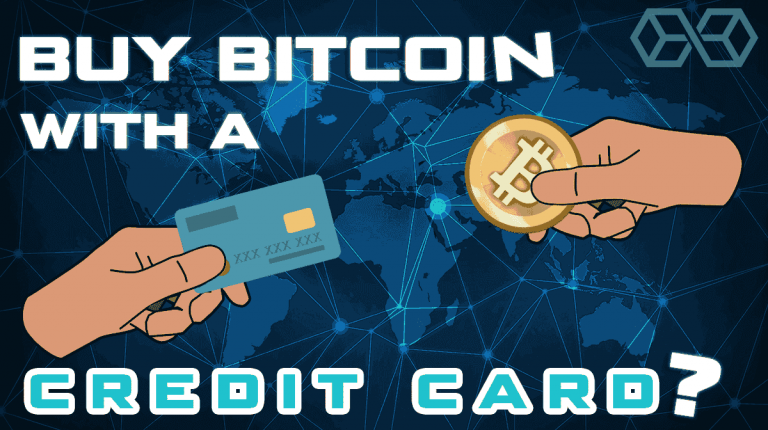
Buying Bitcoin with a credit card in the USA has become increasingly popular. This guide delves into the specifics of this transaction, from understanding the process to exploring potential risks and alternative payment methods. We’ll examine the current regulations, popular platforms, and fees associated with this increasingly common practice.

Navigating the world of cryptocurrency can be daunting, especially when dealing with credit card transactions. This comprehensive guide provides a structured overview, simplifying the process of purchasing Bitcoin with credit cards in the US. Understanding the associated fees, security measures, and potential risks is crucial for making informed decisions.

Overview of Bitcoin Purchases

Bitcoin is a decentralized digital currency, meaning it operates independently of central banks or governments. Its value is determined by supply and demand in the market, and it’s often used for transactions beyond traditional financial systems. This makes it an attractive option for some investors and users seeking alternative financial tools.The process of purchasing Bitcoin typically involves selecting a platform, depositing funds into an account, and placing an order to buy a specific amount.

The method for completing the purchase varies depending on the chosen platform and the user’s preferred payment method. Different platforms cater to diverse needs and offer varying degrees of security and user experience.

Bitcoin Purchase Methods

Various methods exist for acquiring Bitcoin. The best choice depends on individual preferences and financial situations. Each method carries advantages and disadvantages, impacting factors such as transaction speed, fees, and security.

Cryptocurrency Exchanges

Cryptocurrency exchanges are platforms facilitating the buying and selling of cryptocurrencies, including Bitcoin. They act as intermediaries between buyers and sellers, providing a secure environment for transactions. These platforms offer diverse functionalities, including managing digital wallets, tracking transaction histories, and offering various trading tools.

Popular Bitcoin Exchanges

Several reputable exchanges facilitate Bitcoin transactions. These platforms often provide various trading tools and user interfaces. Each exchange has unique features and fees, and users should research to find a suitable platform based on their needs. Popular examples include Coinbase, Kraken, Binance, and Gemini.

  • Coinbase:
  • A widely used platform known for its user-friendly interface and straightforward processes, often considered suitable for beginners.

  • Kraken:
  • A well-established exchange popular among experienced traders, offering advanced trading tools and features.

  • Binance:
  • A global exchange with a large trading volume, offering a broad range of cryptocurrencies and diverse trading options.

  • Gemini:
  • A regulated exchange offering security and user-friendliness, appealing to those seeking regulated and secure options.

Payment Methods for Buying Bitcoin

The available payment methods for buying Bitcoin vary depending on the exchange and user preferences. Different options offer varying advantages in terms of speed, fees, and security.

Payment Method Description Pros Cons
Credit Card Buying Bitcoin using credit cards is a relatively fast method, providing immediate access to the cryptocurrency. Fast transaction speed, ease of use, immediate access to Bitcoin. Higher fees compared to other methods, potential credit card fraud risks, and the possibility of fluctuating transaction fees.
Bank Transfer Transferring funds from a bank account to a cryptocurrency exchange is a common method. Lower fees compared to credit card purchases, greater security if using a secure exchange. Slower transaction times compared to credit cards, potential for bank delays in processing transactions.
Debit Card Similar to credit cards, debit cards allow for instant access to Bitcoin, but are tied to bank accounts. Fast transaction speed, easy to use. Fees similar to credit cards, security concerns are similar to credit cards.
Wire Transfer Sending funds through a wire transfer, a common method for large transactions. Lower fees compared to credit cards. Slower transaction times, potential for delays.

Buying Bitcoin with Credit Cards in the USA

The Easiest Way to Buy Bitcoin with Credit Card or Debit Card in 2024 ...

Purchasing Bitcoin using credit cards in the USA is a common practice, facilitated by various online platforms. However, navigating the regulatory landscape and understanding the associated fees and security measures is crucial for a smooth and safe transaction. This section delves into the specifics of this process.The legal framework surrounding Bitcoin transactions in the USA is evolving. While not explicitly prohibited, certain aspects of using credit cards for Bitcoin purchases are not fully defined or regulated.

This dynamic environment necessitates careful consideration of potential risks and compliance with existing financial regulations.

Regulatory Landscape

The US regulatory environment regarding cryptocurrency transactions is complex and multifaceted. Financial institutions are increasingly scrutinizing the use of credit cards for cryptocurrency purchases. While there isn’t a specific ban, compliance with anti-money laundering (AML) and know-your-customer (KYC) regulations is crucial for platforms handling such transactions.

Popular Platforms for Bitcoin Purchases

Several platforms allow US users to purchase Bitcoin using credit cards. These platforms typically employ robust security measures to protect user funds and transactions. Popular choices include Coinbase, Gemini, and Kraken. Each platform may have varying terms and conditions, fees, and security protocols.

Transaction Fees

Fees associated with Bitcoin purchases using credit cards vary across platforms. These fees are typically a combination of the platform’s transaction fee and the credit card’s processing fee. Some platforms might charge a small percentage on the purchase amount, while others might impose a fixed fee. Understanding these fee structures is essential for budgeting. Furthermore, the platform’s payment processor may also add additional fees.

Security Measures

Reputable platforms prioritize user security. These measures include two-factor authentication (2FA), robust encryption protocols, and regular security audits. Moreover, they often employ advanced fraud detection systems to minimize the risk of unauthorized transactions. Users should verify the platform’s security certifications and protocols before engaging in any transactions.

Steps for Bitcoin Purchase

The process for purchasing Bitcoin using a credit card generally involves these steps:

  • Registering an account with the chosen platform.
  • Verifying your identity through KYC procedures.
  • Adding your credit card to your account.
  • Selecting the desired amount of Bitcoin to purchase.
  • Reviewing the transaction details, including fees.
  • Confirming the purchase.

Users should meticulously review each step and confirm the details before proceeding with the purchase.

Fees and Commissions Breakdown

The fees associated with Bitcoin purchases using credit cards are a crucial consideration. These fees are usually composed of:

  • Platform Fees: A percentage or fixed fee charged by the platform for facilitating the transaction.
  • Credit Card Processing Fees: Fees levied by the credit card company for processing the transaction.
  • Network Fees: Fees associated with the Bitcoin network, which vary based on transaction volume and network congestion.

Accurate calculation of all fees is important to avoid surprises.

Credit Card Provider Comparison

Different credit cards may offer varying rewards programs or cashback options when used for cryptocurrency purchases. It is wise to compare different credit card providers for potential benefits, such as cash back or other perks. Users should also be aware of potential penalties or interest charges associated with using credit cards for non-traditional purchases.

Platform Fees Comparison Table

Platform Fees (Example) Security Measures Customer Reviews (General Sentiment)
Coinbase 0.5% + 0.5% 2FA, SSL encryption, regular security audits Generally Positive
Gemini 0.5% + 1.5% 2FA, advanced fraud detection, physical security measures Positive
Kraken 0.5% + 0.5% 2FA, multi-signature wallets, advanced encryption Positive

Note: Fees are approximate and may vary. Always review the platform’s terms and conditions for the most up-to-date information.

Factors Influencing Bitcoin Purchases

Bitcoin purchases are influenced by a complex interplay of market forces, security considerations, and user choices. Understanding these factors is crucial for making informed decisions in the cryptocurrency market. This section delves into the key aspects impacting Bitcoin transactions, focusing on market volatility, exchange rates, security protocols, and potential risks.

Market Volatility in Bitcoin Purchases

Bitcoin’s price is notoriously volatile. This inherent volatility significantly impacts purchasing decisions. Sudden price swings can lead to substantial gains or losses, making it essential for buyers to understand and manage risk. For example, a rapid increase in price might entice impulsive purchases, while a sharp decline could lead to significant financial losses. Understanding the market trends and historical volatility patterns is crucial for mitigating potential losses.

Impact of Exchange Rates on Bitcoin Prices

Exchange rates directly affect the price of Bitcoin. A strong US dollar, for instance, can potentially decrease the value of Bitcoin in USD terms. Conversely, a weaker dollar can increase the Bitcoin price. Fluctuations in exchange rates influence the overall market sentiment and can drive short-term price movements. For example, a significant drop in the value of the USD against other currencies may lead to a surge in demand for Bitcoin as a hedge against potential losses.

Security Risks Associated with Bitcoin Purchases

Security is paramount when purchasing Bitcoin. Risks range from fraudulent exchanges to compromised user accounts. Buyers need to be aware of the potential for scams and unauthorized access to their funds. Users must carefully vet exchanges and ensure they utilize strong passwords and enable two-factor authentication to protect their accounts.

Importance of User Verification and Security Measures

User verification and security measures are essential to mitigate the risk of unauthorized access to accounts and funds. Strong passwords, two-factor authentication, and regular account monitoring are crucial. Exchanges that verify user identities can help prevent fraudulent activities and safeguard user funds. This proactive approach can significantly reduce the likelihood of account compromise.

Comparison of Security Protocols Used by Exchanges

Different exchanges employ varying security protocols. Some prioritize multi-signature wallets for enhanced security, while others utilize advanced encryption techniques. Understanding the specific security measures implemented by a particular exchange is crucial before making a purchase. Comparing and contrasting security protocols helps buyers make informed decisions. For instance, exchanges employing cold storage for a portion of their assets generally offer a higher level of security compared to those relying solely on hot wallets.

Role of Transaction Confirmations in Bitcoin Purchases

Transaction confirmations are essential for ensuring the finality of a Bitcoin purchase. The number of confirmations required varies, and a sufficient number is critical to prevent double-spending or fraudulent transactions. A higher number of confirmations generally signifies a higher level of security and transaction finality. A minimum number of confirmations are typically required to protect against the possibility of the transaction being reversed or canceled.

Potential for Fraud and Scams in Bitcoin Purchases

Bitcoin purchases are vulnerable to various forms of fraud and scams. Phishing attempts, fake exchanges, and investment schemes are common threats. Buyers must exercise caution and verify the legitimacy of any exchange or service before transacting. Thorough research and scrutiny of the exchange’s reputation and security measures are essential.

Security Measures for Credit Card Purchases

Security Measure Description Effectiveness Examples
Secure Sockets Layer (SSL) Encryption protocol used to secure online transactions. High HTTPS in web browsers
Payment Card Industry Data Security Standard (PCI DSS) Industry standard for securing payment card data. High Requirements for secure storage and handling of credit card information
3D Secure Two-factor authentication system for credit card transactions. High Verification via one-time password or mobile app
Fraud Monitoring Systems to detect and prevent fraudulent transactions. Moderate to High Reviewing transaction patterns and blocking suspicious activity

Alternatives to Buying Bitcoin with Credit Cards

Using a credit card to purchase Bitcoin is convenient but comes with certain limitations, particularly regarding fees and potential credit card restrictions. Exploring alternative methods can offer greater flexibility and control over the transaction process. This section delves into various options for acquiring Bitcoin, highlighting their pros and cons.

Alternative Payment Methods for Bitcoin Purchases

Several alternative methods exist for acquiring Bitcoin, each with its own set of advantages and disadvantages. Understanding these options allows investors to make informed decisions based on their specific needs and preferences.

  • Bank Transfers: Direct bank transfers are a straightforward way to fund a Bitcoin purchase. The process usually involves transferring funds from your bank account to a designated account controlled by the Bitcoin exchange or wallet provider. A significant advantage is the lower transaction fees compared to credit card purchases. However, bank transfers often take several days to process.

    This can be a drawback for investors seeking immediate access to Bitcoin.

  • Debit Cards: Similar to credit cards, debit cards enable direct purchases on cryptocurrency exchanges. They offer the convenience of immediate transactions, though transaction fees can vary significantly. This method is generally faster than bank transfers but potentially carries higher fees than alternative options.
  • eWallets: Electronic wallets, such as PayPal or other digital payment platforms, allow for quick and secure transactions between parties. These wallets often facilitate both Bitcoin purchases and sales. They provide convenience and accessibility but might involve additional fees or limitations based on the specific eWallet provider.
  • Other Cryptocurrency Exchanges: Exchanges that allow trading of one cryptocurrency for another can be an alternative. This involves trading another cryptocurrency that you already own for Bitcoin. This approach is advantageous for those who already hold alternative cryptocurrencies, and potentially more efficient than a traditional bank transfer. However, market fluctuations in the alternative cryptocurrencies could impact the overall transaction.

  • Prepaid Cards: Prepaid cards offer a way to purchase Bitcoin without using a traditional bank account. They provide a degree of anonymity and control over funds but may have restrictions or limitations in terms of transaction amounts and geographical reach.

Comparison of Alternative Methods

The following table summarizes the advantages, disadvantages, and example use cases for each alternative method of purchasing Bitcoin.

Alternative Method Advantages Disadvantages Example Use Case
Bank Transfers Lower transaction fees, potentially secure, suitable for large transactions. Slower transaction times, requires bank account access. Buying a substantial amount of Bitcoin, ensuring the lowest possible transaction fees.
Debit Cards Immediate transactions, readily available for most users. Potentially higher transaction fees, less anonymity compared to other methods. Purchasing a small amount of Bitcoin for quick access.
eWallets Convenient, widely accessible, and quick transactions. Fees and limitations may vary by eWallet provider, security concerns if not properly managed. Making regular, small Bitcoin purchases and sales.
Other Cryptocurrency Exchanges Potential for lower fees, efficient for existing cryptocurrency holders. Market fluctuations in the traded cryptocurrency, need for understanding of the exchange’s policies. Trading Ethereum for Bitcoin.
Prepaid Cards Anonymity, control over funds, no need for a bank account. Restrictions on transaction amounts, geographical limitations, potentially higher fees. Buying Bitcoin for an unknown purpose, in a region with limited bank access.

Buying Bitcoin – General Information

Bitcoin, a decentralized digital currency, is purchased through various online platforms. Understanding the process, the platforms, and security measures is crucial for a safe and successful transaction. This section provides a comprehensive overview of buying Bitcoin, from the initial concept to secure storage.

Bitcoin Purchase Concept

Bitcoin is bought and sold like any other commodity. Instead of exchanging physical currency, you use fiat currency (like USD, EUR) to acquire Bitcoin. This exchange happens on designated platforms, using their specific procedures and often requiring verification. The value of Bitcoin fluctuates dynamically, affecting the amount of fiat currency required for a given Bitcoin quantity.

Bitcoin Purchase Platforms

A multitude of platforms facilitate Bitcoin purchases. These platforms provide a marketplace where buyers and sellers interact. Choosing a reputable and secure platform is paramount to preventing scams and ensuring a smooth transaction.

  • Major Cryptocurrency Exchanges: Coinbase, Kraken, Binance, and Gemini are popular choices known for their user-friendly interfaces and robust security measures. They offer a wide range of trading options, including Bitcoin.
  • Specialized Bitcoin Brokers: Some brokers specialize solely in Bitcoin trading, offering possibly lower fees compared to general cryptocurrency exchanges. However, their user base and support may be smaller.
  • Peer-to-Peer (P2P) Platforms: Platforms like LocalBitcoins connect buyers and sellers directly. This allows for potentially lower fees but increases the risk of encountering fraudulent individuals.

Steps Involved in Purchasing Bitcoin

The process varies slightly depending on the platform. Generally, these steps are common:

  1. Account Creation: Create an account on the chosen platform, providing necessary identification information for verification.
  2. Funding Your Account: Deposit funds using a supported payment method, often a bank transfer or credit/debit card. Note that credit card transactions may be subject to specific fees or limitations.
  3. Bitcoin Purchase: Select the amount of Bitcoin you wish to purchase and confirm the transaction. Platforms will often display the current market price for Bitcoin.
  4. Verification: The platform might require additional verification steps to ensure compliance with regulations.
  5. Bitcoin Wallet Integration: You will typically need a Bitcoin wallet (more on this later) to receive the purchased Bitcoin. Platforms usually guide you on linking your wallet to the account.
  6. Transaction Confirmation: The platform will confirm the transaction, and the Bitcoin will be transferred to your linked wallet.

Comparison of Purchase Methods

Different methods of purchasing Bitcoin have varying implications:

  • Direct Exchange: Platforms like Coinbase facilitate the direct exchange of fiat currency for Bitcoin. This is often the most convenient option.
  • P2P Transactions: Direct transactions between buyers and sellers might have lower fees but come with a higher risk of fraud or disputes. Carefully vet the seller and ensure secure payment methods.

Bitcoin Wallets in the Purchase Process

Bitcoin wallets are essential for storing and managing your Bitcoin. They act as digital addresses where your Bitcoin is held. There are various types of wallets, each with varying security and user experience characteristics. Before buying Bitcoin, ensure you have a wallet ready to receive the cryptocurrency.

Secure Storage of Bitcoin After Purchase

Once you have purchased Bitcoin, it’s essential to store it securely. This involves choosing the right type of wallet and safeguarding your private keys.

  • Hardware Wallets: These offer the highest level of security, storing your private keys offline. Consider a hardware wallet if you are looking for a highly secure solution.
  • Software Wallets: Desktop or mobile software wallets offer convenience but might require more user vigilance to prevent security breaches.
  • Online Wallets: These are generally less secure as your private keys are stored on the platform. Use caution and choose a reputable provider.

Flow Chart of Buying Bitcoin

[A flow chart depicting the steps above would be helpful here, but a visual cannot be created.]

Concluding Remarks

In conclusion, buying Bitcoin with a credit card in the USA offers convenience but comes with potential risks. By understanding the regulations, platform options, fees, and security measures, you can make informed decisions. We’ve covered the ins and outs, highlighting alternatives and empowering you to confidently navigate the Bitcoin purchase landscape.

FAQ Summary

What are the typical fees associated with using a credit card to buy Bitcoin in the US?

Fees vary depending on the platform. Some platforms charge a percentage of the transaction, while others may add a flat fee. It’s essential to review the terms and conditions of each platform to understand the exact fees.

Are there any regulations in the US regarding buying Bitcoin with credit cards?

While there aren’t specific regulations solely focused on Bitcoin purchases with credit cards, general financial regulations apply. Be mindful of potential compliance requirements and consult with financial advisors if needed.

What security measures do platforms typically employ for credit card transactions?

Reputable platforms employ robust security measures, such as encryption and secure payment gateways, to protect user data and transactions. Look for platforms that utilize industry-standard security protocols.

What are some alternative payment methods for buying Bitcoin besides credit cards?

Alternatives include bank transfers, wire transfers, and peer-to-peer exchanges. Each method has its own advantages and disadvantages, such as transaction speed and fees.

Unlocking the digital gold rush, this guide dives deep into the world of cryptocurrency, specifically focusing on how to acquire Bitcoin using Paysafecard. We’ll explore the ins and outs of this popular payment method, comparing it to other options and highlighting potential benefits and drawbacks. Navigating the digital landscape safely is paramount, so we’ll also cover essential security precautions and common pitfalls to avoid.

From the initial setup to the final transaction, we’ll walk you through the process, offering a step-by-step approach to ensure a smooth and secure Bitcoin purchase. Understanding the various exchanges accepting Paysafecard is key, so we’ll present a detailed comparison, including fees and transaction limits.

Introduction to Bitcoin Purchases

Bitcoin is a decentralized digital currency, meaning it isn’t controlled by any single government or institution. It utilizes cryptography for security and transactions, and its value fluctuates based on market demand. Understanding how to acquire Bitcoin involves navigating various platforms and methods.The process of buying Bitcoin generally involves selecting a reputable platform, verifying your identity, funding your account, and then placing an order to purchase Bitcoin.

The specifics may vary based on the chosen platform and method. Ultimately, security and choosing a trustworthy platform are paramount considerations.

Methods of Acquiring Bitcoin

A variety of methods are available for acquiring Bitcoin, each with its own advantages and drawbacks. Different methods cater to various needs and preferences.

  • Using Bank Transfers:
  • Many exchanges allow for bank transfers to purchase Bitcoin. This method usually involves depositing funds into the exchange’s account and then using those funds to buy Bitcoin. The transaction times and fees may vary, depending on the specific bank and exchange.

  • Using Cryptocurrency Exchanges:
  • Exchanges dedicated to trading cryptocurrencies offer a wide array of options for purchasing Bitcoin. These exchanges often facilitate trading between Bitcoin and other cryptocurrencies, as well as fiat currencies. Choosing the right exchange depends on factors such as fees, security, and available features.

  • Using Payment Methods like Paysafecard:
  • Paysafecard is a prepaid card that enables users to buy Bitcoin without needing a bank account. This is a popular option for those seeking anonymity or who do not have traditional banking access. Fees and transaction times may differ from other methods.

  • Using P2P Platforms:
  • Peer-to-peer (P2P) platforms connect buyers and sellers directly. This allows for potential lower fees but carries a higher degree of risk, as buyers must verify the seller’s legitimacy. Buyer protection policies may differ between P2P platforms.

Popular Bitcoin Exchanges

Several exchanges are prominent in the market, each with its own strengths. Choosing the right exchange is crucial for a secure and smooth buying experience.

  • Coinbase:
  • Coinbase is a well-established and user-friendly exchange. It is known for its broad accessibility and user-friendly interface. Coinbase provides excellent support and security measures.

  • Binance:
  • Binance is a global exchange known for its vast selection of cryptocurrencies and competitive trading fees. It is popular among experienced traders due to its advanced features.

  • Kraken:
  • Kraken is known for its robust security features and high trading volume. It caters to both beginners and advanced traders with a wide array of trading tools and options.

  • Gemini:
  • Gemini, owned by the Winklevoss twins, is known for its focus on security and user experience. Gemini emphasizes security features and customer service.

Buying Bitcoin with Paysafecard

Paysafecard is a popular prepaid card used for online purchases, including digital assets like Bitcoin. It offers a convenient and relatively anonymous way to acquire Bitcoin without needing a traditional bank account or credit/debit card. This method is particularly attractive to those seeking a degree of financial privacy.Paysafecard is a prepaid card that allows users to load funds onto a card, which can then be used to make online purchases without revealing sensitive financial information like bank account details.

This makes it a popular choice for those looking for a secure, yet discreet, way to buy cryptocurrencies.

Paysafecard Overview

Paysafecard functions as a secure prepaid payment method. Users purchase Paysafecard vouchers in various denominations from authorized retailers, which are then loaded onto the card. The card number and PIN are used for transactions, effectively decoupling the purchase from the user’s personal banking information. This anonymity is one of its key advantages.

Steps for Buying Bitcoin with Paysafecard

The process of purchasing Bitcoin with Paysafecard is generally straightforward. Users typically need to select the desired amount of Bitcoin and enter the Paysafecard details. The transaction is processed through a Bitcoin exchange platform that accepts Paysafecard. Crucially, the user needs to confirm the transaction details, ensuring accuracy and avoiding errors. Once the transaction is confirmed, the Bitcoin will be credited to the user’s account.

  • Purchase a Paysafecard voucher from a retailer.
  • Find a reputable Bitcoin exchange that accepts Paysafecard as a payment method.
  • On the exchange platform, select the desired amount of Bitcoin and input the Paysafecard details (card number and PIN).
  • Verify the transaction details (amount, Bitcoin address) before confirmation.
  • Bitcoin will be credited to the user’s account upon successful transaction completion.

Comparison to Other Methods

Buying Bitcoin with Paysafecard contrasts with methods like bank transfers, credit cards, or debit cards. Paysafecard offers a more anonymous approach, while credit cards often involve additional security checks. Bank transfers, while often free, can be slower. The selection of method depends on individual needs and priorities, including desired level of anonymity and transaction speed.

Benefits and Drawbacks of Using Paysafecard

Using Paysafecard for Bitcoin purchases presents several advantages and disadvantages. A key benefit is the enhanced privacy it provides, shielding personal financial details. However, this anonymity can also be a drawback, making it more difficult to track transactions and potentially making it less suitable for large-scale or high-value transactions. Another significant drawback is the possibility of encountering exchange fees, and transaction limits.

Security Measures

Security is paramount when dealing with cryptocurrency. Bitcoin exchanges using Paysafecard typically employ robust security measures, including encryption and multi-factor authentication. These measures are vital for safeguarding user funds and data. Users should verify the legitimacy of the exchange and ensure the security measures in place are appropriate.

Bitcoin Exchanges Accepting Paysafecard

Several Bitcoin exchanges support Paysafecard as a payment option. The fees and transaction limits vary depending on the exchange.

Exchange Fees Transaction Limits
Exchange A 1% + $5 $100-$10,000 per transaction
Exchange B 0.5% + $2 $50-$5,000 per transaction
Exchange C Variable (depends on amount) $20-$20,000 per transaction

Note: This table provides examples and fees may vary. Always check the specific exchange’s terms and conditions for the most up-to-date information.

Security and Risks

Buying Bitcoin with Paysafecard, while convenient, presents potential security risks. Understanding these risks and adopting best practices is crucial for a safe and successful transaction. This section details common pitfalls and how to mitigate them.Bitcoin transactions, like any financial transaction, involve inherent risks. Carefully evaluating the platform, understanding the risks, and implementing strong security measures are vital to protect your investment.

Potential Security Risks

Bitcoin exchanges, while often secure, are not immune to hacking, fraud, or operational failures. These risks are inherent to any online platform handling sensitive financial information. Additionally, users can fall victim to phishing scams or malware infections. Protecting your personal data and using strong passwords is paramount.

Best Practices for Secure Bitcoin Transactions

Prioritize reputable and well-established platforms with strong security measures. Thorough research is key to choosing a secure platform. Always use strong and unique passwords for your accounts and enable two-factor authentication (2FA) whenever possible. This adds an extra layer of security, requiring a second verification method beyond your password.

Choosing a Secure Bitcoin Exchange Platform

Selecting a reliable exchange platform is paramount to your security. Look for platforms with robust security measures, including encryption, secure payment gateways, and reputable customer support. Review user reviews and seek out platforms with a proven track record.

  • Verify the platform’s security certifications, like SSL certificates, which encrypt data transmission. This ensures that your communications are protected from unauthorized access.
  • Check for independent audits and security assessments to confirm the platform’s commitment to data protection.
  • Scrutinize the platform’s terms of service and privacy policy to understand how your data will be handled. Pay attention to clauses regarding liability and security protocols.

Verifying Exchange Legitimacy

Validating the legitimacy of an exchange is crucial to prevent scams. Research the platform thoroughly. Look for official websites, regulatory compliance, and positive user reviews. Verify that the exchange is not operating outside of the law.

  • Cross-reference information from various reputable sources, such as financial news websites or industry forums.
  • Check for any red flags, such as suspicious contact information or poorly designed websites.
  • Contact the exchange directly with questions if you are unsure. Be cautious of vague or evasive responses.

Risks of Scams and Fraudulent Platforms

Scammers often mimic legitimate platforms to trick users into revealing personal information or transferring funds. Phishing scams, impersonating legitimate exchanges, are prevalent. Be wary of unsolicited emails, messages, or websites that seem too good to be true.

Scam Type Description How to Identify
Fake Exchanges These platforms mimic legitimate exchanges, often with misleading URLs or poor design. Check the platform’s security measures, look for suspicious contact information, and compare it to legitimate exchanges.
Phishing Emails Emails designed to trick you into revealing personal information or transferring funds. Look for poor grammar, urgent requests, and suspicious links. Do not click on links from unknown senders.
Fake Customer Support Scammers posing as customer support representatives to gain access to your account. Verify customer support contact information through official channels, do not provide sensitive information to unknown contacts.

Protecting Your Bitcoin Investment

Implementing robust security measures is essential for protecting your Bitcoin investment.

Using strong passwords, enabling two-factor authentication, and regularly updating software are all part of responsible digital security practices.

Transaction Costs and Fees

Buying Bitcoin with Paysafecard, while convenient, involves various transaction fees. Understanding these costs is crucial for accurately assessing the overall price of your Bitcoin acquisition. These fees can vary significantly depending on the exchange platform and the specific payment method.Transaction fees associated with cryptocurrency purchases often encompass a range of charges, from exchange-imposed fees to network transaction costs. It’s vital to factor these fees into your budget to avoid unexpected expenses.

A clear understanding of these costs empowers informed decision-making and ensures a smoother Bitcoin acquisition process.

Exchange Fees Breakdown

Different cryptocurrency exchanges employ various fee structures. Some exchanges charge a flat fee per transaction, while others may implement a percentage-based fee. The structure of the fees can affect the final cost, depending on the purchase amount.

  • Many exchanges, like Coinbase and Kraken, employ a percentage-based fee structure. This means the fee is a percentage of the Bitcoin purchase amount. For instance, a 1% fee on a $1000 Bitcoin purchase would be $10. These percentage-based fees can be advantageous for smaller purchases but might accumulate to substantial sums for large transactions.
  • Some exchanges impose a flat fee per transaction. This fee remains consistent regardless of the transaction amount. This model can be beneficial for individuals who frequently make small Bitcoin purchases.
  • Several exchanges also include tiered fee structures, with varying rates depending on the transaction volume or the user’s account status. These tiered fees can be advantageous for high-volume traders or long-term users.

Paysafecard Transaction Fees

Paysafecard transactions, as a payment method, can incur additional fees on top of exchange fees. These fees can be either absorbed by the exchange or passed on to the user. It’s essential to verify if the Paysafecard fee is inclusive or exclusive of the exchange’s fee.

  • The Paysafecard processing fee can differ across exchanges, often depending on the exchange’s policies and the specific transaction volume.
  • In some cases, the Paysafecard transaction might be subjected to a percentage-based fee, similar to the exchange fee structure.

Impact of Fees on Bitcoin Acquisition

Exchange fees significantly influence the overall cost of acquiring Bitcoin. A high exchange fee will increase the cost of your Bitcoin purchase. For example, if an exchange charges a 2% fee on a $5,000 Bitcoin purchase, the additional fee would be $100. Thus, the final price of the Bitcoin would be $5,100.

Comparison of Bitcoin Purchase Methods

Comparing the costs associated with different Bitcoin purchase methods, like bank transfers or credit cards, is essential. Each method has its own set of fees, which can vary based on the specific exchange and the payment method used.

  • Credit card transactions may involve additional fees, such as transaction charges or foreign exchange fees, potentially increasing the overall cost.
  • Bank transfers, while often free or with negligible fees, might still incur fees associated with international transactions or wire transfer costs.

Average Transaction Fees Table

The following table provides an estimated average transaction fee breakdown for buying Bitcoin with Paysafecard at various exchanges. These figures are approximate and may vary depending on specific transaction details and the exchange’s current fee structure.

Exchange Estimated Average Fee (Paysafecard)
Coinbase 0.5-1%
Kraken 0.7-1.5%
Binance 0.5-1%
Gemini 0.5-1.2%

Alternatives to Paysafecard

Beyond Paysafecard, various methods facilitate Bitcoin purchases. Understanding these alternatives provides a broader perspective on accessing the cryptocurrency market. Choosing the right method depends on individual needs and preferences, factoring in security, cost, and convenience.

Alternative Payment Methods for Bitcoin Purchases

Several payment options complement Paysafecard for buying Bitcoin. Each method has unique advantages and disadvantages that impact the overall transaction experience. This section details popular alternatives.

  • Credit/Debit Cards: Widely used for online transactions, credit and debit cards offer a straightforward approach to purchasing Bitcoin. The ease of integration with existing banking systems is a significant benefit. However, transaction fees and potential security concerns are crucial factors to consider. Visa and Mastercard are common options.
  • Bank Transfers: For users preferring a direct bank-to-bank transfer, this method offers a conventional approach to Bitcoin acquisition. However, bank transfer times can vary, potentially leading to delays in receiving the cryptocurrency. It’s a relatively secure option, especially for larger transactions, but fees may apply.
  • E-wallets: E-wallets, like PayPal or Skrill, act as intermediaries between users and Bitcoin exchanges. They offer convenience and a familiar interface for online transactions. However, the fees associated with these platforms can fluctuate and may not always be transparent. Their security depends on the wallet’s security protocols and the user’s adherence to best practices.
  • Cryptocurrency Exchanges: These platforms directly facilitate trading between different cryptocurrencies, including Bitcoin. Users can often swap other cryptocurrencies for Bitcoin or deposit funds for direct purchase. This approach offers liquidity and access to a wide array of cryptocurrencies. However, trading involves inherent risks and requires careful research and understanding of market fluctuations.
  • Prepaid Cards: Similar to Paysafecard, prepaid cards offer a convenient way to buy Bitcoin without linking to a bank account. However, transaction limits and availability may differ. Specific prepaid cards dedicated to Bitcoin purchases might exist, offering unique advantages.

Comparing Ease of Use

Comparing the ease of use between Paysafecard and alternative methods reveals varying levels of user experience. Paysafecard’s pre-loaded value format is relatively straightforward, ideal for users unfamiliar with online banking or cryptocurrency exchanges. Credit/debit cards, e-wallets, and bank transfers also offer a high level of accessibility. However, the setup and understanding of the platform involved with exchanges can present a steeper learning curve.

Switching Between Payment Options

Switching between payment options often requires account creation or adjustments within the Bitcoin exchange platform. This process varies based on the specific exchange and chosen payment method. Some exchanges might offer a simple switching process through their user interface, while others may require separate account management for each method. It’s crucial to carefully review the exchange’s instructions for switching between different payment methods to avoid potential errors.

Table of Payment Methods for Bitcoin Purchases

Payment Method Pros Cons Ease of Use
Paysafecard Anonymity, convenience, no bank account needed Limited transaction amounts, potential fees, less widespread High
Credit/Debit Cards Widely accepted, fast transactions, linked to existing banking systems Transaction fees, security concerns, potential for fraud High
Bank Transfers Relatively secure, conventional approach, potentially lower fees Slow transaction times, bank processing fees Medium
E-wallets Convenience, familiar interface, often faster than bank transfers Transaction fees, security depends on wallet provider High
Cryptocurrency Exchanges Liquidity, access to other cryptocurrencies, potential for high returns Market volatility, complexity, potential for losses Medium to Low
Prepaid Cards (other than Paysafecard) Anonymity, limited transaction amounts, convenience Transaction limits, availability may vary Medium

Global Availability and Regulations

Bitcoin purchases, facilitated by services like Paysafecard, aren’t universally accessible. Regional variations in regulations significantly impact the availability and methods for acquiring Bitcoin. Understanding these differences is crucial for both buyers and sellers to navigate the process safely and legally.

Global Availability of Paysafecard

Paysafecard is a widely used prepaid payment method. Its availability varies across countries. Some regions have a robust presence of Paysafecard retailers, enabling easy access for Bitcoin purchases. Conversely, other regions might have limited access, potentially impacting the accessibility of this method for Bitcoin transactions.

Bitcoin Purchase Regulations

Regulations governing Bitcoin transactions differ substantially across countries. These regulations influence the methods available for buying Bitcoin, and the level of oversight varies widely. Some jurisdictions treat Bitcoin as a currency, while others classify it as a commodity or property, each leading to distinct regulatory frameworks.

Impact of Regional Regulations on Bitcoin Purchasing Methods

Regulatory frameworks heavily influence the types of services available for Bitcoin purchases. In regions with stringent regulations, exchanges and other platforms may operate with increased scrutiny, possibly limiting the range of available payment options, such as Paysafecard. Countries with more permissive regulations may offer more choices and potentially faster transaction processing.

Examples of Countries with Specific Bitcoin Regulations

Different countries have adopted varying approaches to regulating Bitcoin. For instance, some countries have explicitly categorized Bitcoin as a currency, while others have chosen to treat it as a commodity, influencing the legal frameworks for its use and transactions. Specific regulations often encompass aspects like taxation, licensing requirements for exchanges, and restrictions on certain transactions. The regulatory landscape is constantly evolving, necessitating continuous monitoring and adaptation.

Country-Specific Bitcoin Purchase Regulations

Country Regulatory Framework
United States Bitcoin is generally treated as a commodity, subject to varying state and federal regulations. Taxation laws often play a crucial role in governing its use. Specific rules and requirements may vary significantly depending on the state and specific circumstances.
European Union The EU has a fragmented approach to regulating cryptocurrencies. Different member states have adopted varying approaches. Regulations often address aspects like anti-money laundering (AML) and know-your-customer (KYC) requirements, influencing the methods available for purchasing Bitcoin.
Japan Japan has taken a relatively progressive stance towards cryptocurrencies. It recognizes Bitcoin as a legal payment method, facilitating a more accessible regulatory environment for Bitcoin purchases and trades.
China China has implemented strict regulations on cryptocurrencies. This has significantly restricted the use and accessibility of Bitcoin and other cryptocurrencies. The regulatory environment often changes rapidly.

Buying Bitcoin Overview

11 Popular Ways to Buy Bitcoin with a Credit Card Instantly in 2021

Purchasing Bitcoin involves several key steps, from selecting a reputable platform to securely storing your digital assets. Understanding the process and the different types of wallets available is crucial for a safe and successful experience. This section details the general process, wallet types, and security measures involved in acquiring and managing Bitcoin.

Bitcoin Purchase Process

The process of buying Bitcoin typically involves selecting a platform, verifying your identity, funding your account (often through a bank transfer or a payment method like Paysafecard), and placing an order to buy the desired amount of Bitcoin. After confirmation, the Bitcoin will be credited to your designated wallet. Different platforms may have slight variations in their procedures, so always review the platform’s specific instructions.

Different Types of Bitcoin Wallets

Bitcoin wallets are software applications or hardware devices that store and manage your Bitcoin private keys. Understanding the distinctions between these types is essential to protect your funds. Different wallet types cater to varying levels of security, convenience, and technical expertise.

Comparison of Bitcoin Wallet Types

Wallet Type Description Security Convenience Complexity
Software Wallets (Desktop/Mobile) Run on your computer or smartphone. Medium to High (depending on security measures) High (accessible from anywhere) Low to Medium (user-friendly interfaces available)
Hardware Wallets Physical devices specifically designed for secure Bitcoin storage. High (offline storage of private keys) Medium (limited accessibility) High (requires technical understanding)
Online Wallets (Exchange Wallets) Hosted by a third-party platform. Medium (security measures vary by platform) High (easy access) Low (minimal technical skills needed)

Wallet Security Measures

Robust security measures are paramount when handling Bitcoin. Implementing these safeguards significantly reduces the risk of loss or theft. Here are some key considerations:

  • Strong Passwords and Two-Factor Authentication (2FA): Using complex passwords and enabling 2FA adds an extra layer of protection to your accounts.
  • Regular Software Updates: Keeping your wallet software up-to-date is critical, as it often addresses vulnerabilities.
  • Cold Storage: Storing Bitcoin offline, in a hardware wallet or a paper wallet, mitigates risks associated with online attacks.
  • Regular Backups: Backing up your wallet data safeguards against loss due to device malfunctions or data corruption.

Secure Bitcoin Storage

Secure storage is the cornerstone of protecting your Bitcoin holdings.

Protecting your Bitcoin involves a multifaceted approach. Storing your private keys offline (in a hardware wallet, for example) significantly reduces the threat of online attacks. Furthermore, practicing good password management and enabling 2FA adds an extra layer of security. Choosing a reputable and secure wallet is essential, and understanding the specific security measures of each platform is crucial.

Never share your private keys with anyone.

User Experiences and Reviews

User experiences with buying Bitcoin using Paysafecard vary significantly, influenced by factors such as the chosen platform, transaction specifics, and individual circumstances. Understanding these experiences, both positive and negative, is crucial for making informed decisions. This section delves into common user feedback, identifies potential pitfalls, and provides strategies for evaluating reliable reviews.

Potential User Experiences

User experiences encompass a broad spectrum of outcomes, from seamless transactions to frustrating issues. Positive experiences often involve quick and straightforward purchases, highlighting the ease of use of the platform. Conversely, negative experiences frequently center on delays, errors, or unexpected charges. These experiences can range from minor inconveniences to significant financial setbacks, emphasizing the importance of careful consideration and due diligence.

Positive User Feedback

Positive user feedback often praises the convenience of using Paysafecard for Bitcoin purchases. Users appreciate the anonymity and control this payment method offers, especially in regions where traditional banking methods may be less accessible or secure. This method’s perceived security, coupled with the relative ease of accessing Bitcoin, is often cited as a key advantage.

Negative User Feedback

Negative feedback frequently cites platform issues such as transaction delays, errors in processing, or unexpected fees. Concerns about security, including potential scams or fraudulent activities, are also raised by some users. Users may also express dissatisfaction with customer support responses, highlighting the importance of robust support systems for addressing potential problems.

Common Issues and Solutions

Common issues include transaction failures, discrepancies in the displayed exchange rate, and delays in Bitcoin delivery. Solutions often involve contacting the platform’s customer support, reviewing transaction details carefully, and verifying the legitimacy of the platform itself. Thorough research and careful selection of trusted platforms are essential for minimizing these issues.

Finding Reliable User Reviews

Reliable user reviews can be found on independent review platforms specializing in financial services and cryptocurrency exchanges. These platforms often feature a system for rating and filtering reviews, enabling users to identify reputable sources of information. Reading multiple reviews from different sources can provide a more comprehensive understanding of the platform’s reputation and user experiences.

Examples of Platforms with User Reviews

Numerous platforms provide user reviews for various cryptocurrency exchanges. These platforms frequently incorporate ratings, comments, and specific details regarding transaction experiences, allowing users to gauge the reliability and trustworthiness of a given platform. Sites specializing in financial reviews or cryptocurrency comparisons often offer valuable insights into platform performance and user satisfaction. An example is Trustpilot or similar independent review platforms dedicated to financial services.

Outcome Summary

In conclusion, buying Bitcoin with Paysafecard offers a convenient and readily available method for acquiring this digital asset. While security remains paramount, understanding the process, fees, and potential risks empowers informed decision-making. By comparing Paysafecard to alternative methods, you’ll gain a broader perspective on acquiring Bitcoin. This comprehensive guide aims to equip you with the knowledge needed to navigate the world of digital currency safely and effectively.

FAQ Section

What are the typical transaction fees associated with buying Bitcoin using Paysafecard?

Transaction fees vary significantly depending on the exchange. Some exchanges might charge a percentage of the transaction amount, while others may impose a flat fee. It’s crucial to review the exchange’s fee structure before initiating a purchase.

Are there any specific security measures I should take when choosing a Bitcoin exchange platform?

Prioritize platforms with robust security measures, such as two-factor authentication. Look for verified legitimacy and user reviews. Avoid platforms with unclear policies or questionable reputation. Be cautious of unsolicited emails or messages promising high returns or special deals, as these are often scams.

What are some alternative payment methods for buying Bitcoin besides Paysafecard?

Other popular methods include bank transfers, credit/debit cards, and various e-wallets. Each method has its own set of advantages and disadvantages, including transaction speeds, fees, and regional availability.

How do I choose the right Bitcoin wallet for my needs?

The best wallet choice depends on your individual needs and level of technical expertise. Consider factors like security, user interface, and storage options. Different wallets have varying levels of security and support for different blockchain networks.

Buying Bitcoin through Revolut is becoming increasingly popular, offering a convenient way to access the cryptocurrency market. This guide dives deep into the process, from initial setup to transaction monitoring, while also exploring associated security concerns and alternative purchasing methods.

Revolut, a popular financial app, now facilitates Bitcoin purchases. This allows users to easily integrate cryptocurrency into their existing financial management, though it’s important to be aware of the risks and understand the process.

Introduction to Bitcoin and Revolut

Bitcoin, a decentralized digital currency, operates independently of central banks. It leverages blockchain technology to record and verify transactions, ensuring transparency and security. This peer-to-peer system allows for direct transactions without intermediaries, reducing costs and increasing accessibility. Bitcoin’s value is determined by market forces, making it susceptible to volatility.Revolut is a global financial technology company offering various financial services, including budgeting tools, international money transfers, and travel-related features.

Their user-friendly mobile app has attracted a significant user base seeking convenient and often cost-effective financial solutions. Revolut’s platform aims to provide comprehensive financial management and international payment options.The buying of cryptocurrencies through financial platforms like Revolut is a growing trend. This accessibility streamlines the process for individuals interested in cryptocurrencies without the need for complex setups.

It provides a secure gateway for users to engage with digital assets.Individuals often choose to buy Bitcoin for various reasons. Some are drawn to its potential for high returns, others seek an alternative investment to traditional financial instruments. Still others view Bitcoin as a hedge against inflation or a means of diversifying their portfolios. The perceived decentralization and freedom from government control also appeal to many investors.

Bitcoin Characteristics Compared to Other Cryptocurrencies

A comparison of Bitcoin with other cryptocurrencies reveals distinctive characteristics. These differences stem from the unique design and purpose of each. Bitcoin, as the pioneering cryptocurrency, has a well-established history and a large market capitalization. This established market position has led to a more mature ecosystem of trading and support resources.

Characteristic Bitcoin Ethereum Tether
Type Cryptocurrency Cryptocurrency, platform for decentralized applications (dApps) Stablecoin pegged to the US dollar
Purpose Digital currency, store of value Decentralized platform, smart contracts Stable value, alternative to fiat currencies
Market Cap Generally high Generally high Generally low, but with significant liquidity
Volatility Generally high Generally high Generally low

Bitcoin’s market capitalization and long-standing presence are key factors to consider. However, the cryptocurrency market is highly dynamic, and new cryptocurrencies with different purposes and characteristics are constantly emerging. Each cryptocurrency presents unique advantages and disadvantages depending on the specific needs of the investor.

Buying Bitcoin Through Revolut

Revolut offers a convenient way to purchase Bitcoin, integrating it seamlessly into its platform. This process allows users to buy and sell Bitcoin using their Revolut account, leveraging the platform’s existing infrastructure and security measures. This guide will walk you through the specific procedure, outlining the steps involved, the payment methods accepted, and any associated fees.Purchasing Bitcoin through Revolut typically involves a straightforward process.

The platform guides users through each stage, ensuring a relatively smooth experience. Users can monitor the transaction’s status throughout the process, maintaining transparency and control.

Procedure for Buying Bitcoin

The Revolut Bitcoin purchase process generally follows these steps:

  • Open the Revolut app and navigate to the dedicated Bitcoin section. This section typically includes a button or link for initiating the purchase process.
  • Specify the desired amount of Bitcoin to purchase. Users input the amount they wish to buy and the platform displays the corresponding equivalent in fiat currency, based on the current market rate.
  • Review the transaction details, including the price, fees, and the total amount to be debited from your account. This step is crucial for verifying the accuracy of the transaction before proceeding.
  • Confirm the transaction. Once all details are verified, the user confirms the purchase. At this point, the transaction is initiated, and a confirmation message is displayed.
  • The purchase is processed by Revolut. This process involves the transfer of funds from the user’s Revolut account to the designated Bitcoin exchange partner. The user is provided with real-time updates on the transaction status.
  • Bitcoin is credited to the user’s Revolut account. The Bitcoin is transferred to the designated wallet address linked to the user’s Revolut account. Once the transaction is complete, the user receives confirmation that the Bitcoin has been successfully added to their account.

Payment Methods

Revolut accepts various payment methods for Bitcoin purchases. This flexibility ensures that users can choose the payment option that best suits their needs. Typical payment options include:

  • Debit or credit cards linked to the Revolut account. The use of existing payment methods integrated with Revolut simplifies the process, reducing the need for additional accounts or transfers.
  • Revolut balance. Users can directly use funds already available in their Revolut account to purchase Bitcoin, streamlining the transaction process.

Transaction Fees

Revolut may impose fees associated with Bitcoin purchases. These fees typically include platform transaction fees, network fees (associated with the Bitcoin blockchain), and potentially exchange fees.

  • Transaction fees vary depending on the chosen payment method and the amount of Bitcoin being purchased. Fees can be variable, so it’s important to review the specific transaction details before confirming a purchase.
  • Network fees, often associated with blockchain transactions, are not directly controlled by Revolut. These fees fluctuate based on network congestion. Users should be aware of potential fluctuations in network fees.
  • Exchange fees might be applied if Revolut uses a third-party exchange to facilitate the purchase. Users should check for any exchange fees that might be added to the total cost.

Monitoring Transaction Status

Revolut provides real-time updates on the transaction status within the app. This transparency allows users to track the progress of their purchase at any time.

  • Users can monitor the status of their Bitcoin purchase by accessing the relevant transaction history within the Revolut app. This feature allows for easy tracking of the entire transaction, from initiation to completion.

Security and Risks Associated with Buying Bitcoin Through Revolut

Buying cryptocurrency through platforms like Revolut introduces a unique set of security considerations. While Revolut implements various safeguards, understanding the inherent risks and taking proactive measures are crucial for a secure trading experience. Users must be vigilant and informed to mitigate potential vulnerabilities.

Potential Security Risks

Several potential security risks are associated with buying Bitcoin through Revolut, or any cryptocurrency platform for that matter. These risks include, but are not limited to, security breaches, phishing attacks, and malicious software infections. A compromised Revolut account could potentially lead to unauthorized access to funds, including the Bitcoin holdings. Furthermore, the volatility of the cryptocurrency market itself introduces risks.

Sudden price fluctuations can lead to significant losses, even with secure transactions.

Importance of Robust Security Measures

Robust security measures are paramount for cryptocurrency transactions. This includes using strong, unique passwords, enabling two-factor authentication (2FA), and regularly monitoring account activity. Users should be particularly cautious about suspicious emails, messages, or websites attempting to gain access to their personal information.

Revolut’s Security Measures

Revolut employs various security measures to protect user accounts and transactions. These measures include advanced encryption protocols, fraud detection systems, and regular security audits. Revolut also provides educational resources to inform users about potential scams and how to avoid them. Furthermore, the platform regularly updates its security protocols to adapt to emerging threats.

Scams and Fraudulent Activities

Scams and fraudulent activities are a persistent concern in the cryptocurrency market. These scams often involve phishing attempts, fake investment schemes, or fraudulent exchanges. Users should be wary of unsolicited offers or promises of high returns, as these often indicate fraudulent activity. Researching platforms and verifying their legitimacy before engaging in any transaction is critical. A crucial element of recognizing scams is being wary of unrealistic promises and unusually fast transactions.

Safety Tips for Cryptocurrency Transactions

Maintaining security during cryptocurrency transactions necessitates a multi-faceted approach. A proactive and informed user can significantly reduce their risk. Here’s a list of safety tips:

  • Strong Passwords and 2FA: Employ complex, unique passwords for your Revolut account and enable two-factor authentication for added security. This is crucial for preventing unauthorized access to your account.
  • Regular Account Monitoring: Actively monitor your Revolut account for any suspicious activity. Be on the lookout for unauthorized transactions or unusual login attempts. Review transaction history regularly to detect any discrepancies immediately.
  • Beware of Phishing Attempts: Exercise extreme caution when opening emails, messages, or clicking on links from unknown sources. Phishing scams are designed to trick users into revealing sensitive information. Verify the authenticity of any communication or request before responding.
  • Research Platforms Thoroughly: Thoroughly research any platform or exchange before engaging in any cryptocurrency transaction. Verify the platform’s reputation and security measures. Look for reviews from other users and assess the platform’s compliance with relevant regulations.
  • Avoid Impulsive Decisions: Avoid making impulsive investment decisions, particularly if the offer seems too good to be true. Take your time to evaluate the risks and rewards involved before committing to any transaction.

Alternatives for Buying Bitcoin

Beyond Revolut, various platforms offer Bitcoin acquisition. Choosing the right alternative hinges on individual needs and preferences, encompassing factors like fees, security measures, and available payment methods. Understanding the diverse landscape of Bitcoin purchase options is crucial for informed decision-making.Alternative platforms provide a range of services and features, catering to different user preferences. These alternatives may offer advantages like lower transaction fees, wider payment options, or enhanced security protocols.

Comparing Revolut’s Bitcoin purchasing service with other platforms allows users to weigh the trade-offs between convenience and other potential benefits.

Comparison of Bitcoin Purchase Platforms

Different platforms employ varying strategies for Bitcoin acquisition. This section Artikels some prominent alternatives and their respective advantages and disadvantages.

The table below summarizes key features of prominent Bitcoin purchase platforms, facilitating a comparative analysis.

Platform Security Measures Transaction Fees Payment Methods User Interface Regulation
Coinbase Robust security measures, including two-factor authentication and cold storage Variable; typically competitive Debit/credit cards, bank transfers Intuitive and user-friendly Highly regulated in many jurisdictions
Binance Strong security measures, including multi-signature wallets and advanced security protocols Variable; often lower than other platforms Debit/credit cards, bank transfers, and cryptocurrency deposits Feature-rich, but potentially complex for beginners Highly regulated in many jurisdictions; compliance varies globally
Kraken Advanced security measures, including multi-factor authentication and cold storage Competitive; often lower than traditional banks Debit/credit cards, bank transfers, and cryptocurrency deposits User-friendly, with a strong focus on institutional users Highly regulated in many jurisdictions
Cash App Security measures, including two-factor authentication Variable; typically competitive Debit/credit cards, bank transfers Simple and easy to use, particularly for mobile users Subject to regulations; compliance varies globally

Potential Bitcoin Purchase Platforms

This section presents a curated list of platforms known for their Bitcoin purchasing services. Evaluating these platforms based on individual needs and priorities is essential for a successful investment strategy.

  • Coinbase: A well-established and widely recognized platform, known for its user-friendly interface and robust security measures. Coinbase often attracts beginners due to its accessibility. However, transaction fees might be higher compared to other options.
  • Binance: A leading cryptocurrency exchange, Binance offers a wide range of cryptocurrencies and trading options. It is renowned for its low transaction fees, but its interface can be complex for newcomers.
  • Kraken: Known for its institutional-grade security and advanced features, Kraken is often preferred by experienced investors. It offers competitive fees and a wide array of trading options.
  • Gemini: A regulated platform focusing on user security and compliance. Gemini prioritizes security and user experience, making it a reliable choice for investors seeking security and trust.
  • Cash App: A mobile-first platform, Cash App is a convenient choice for those comfortable with mobile transactions. It is widely used for peer-to-peer transactions.

General Information About Buying Bitcoin

Purchasing Bitcoin, a digital asset, involves several methods and platforms. Understanding the process, available options, and potential pitfalls is crucial for safe and successful transactions. This section delves into the specifics of acquiring Bitcoin, including various platforms, methods, common errors, and wallet security.The Bitcoin market is a dynamic ecosystem with numerous avenues for acquiring this cryptocurrency. This overview provides a comprehensive look at these options, aiding in informed decision-making.

Summary of the Bitcoin Buying Process

The process of buying Bitcoin, generally, involves selecting a platform, creating an account, funding it, and then executing a purchase order. Different platforms utilize various payment methods, and the specific steps might vary. A user must verify their identity, choose a payment method, and input the amount of Bitcoin they want to acquire. The platform will then execute the transaction, and the Bitcoin will be deposited into a designated wallet.

Comparison of Bitcoin Buying Methods

Various methods exist for acquiring Bitcoin, each with its own set of advantages and disadvantages. Some of the most common methods include using bank transfers, credit/debit cards, or peer-to-peer (P2P) exchanges.

  • Bank Transfers: This method often involves transferring funds from a bank account to a cryptocurrency exchange. It typically offers lower fees compared to credit cards, but the transaction time might be longer.
  • Credit/Debit Cards: Using credit or debit cards for Bitcoin purchases is a convenient option, but it often incurs higher transaction fees. This method is quicker than bank transfers, but it’s important to be aware of potential transaction limits and security risks.
  • Peer-to-Peer (P2P) Exchanges: P2P exchanges allow direct transactions between buyers and sellers. This can offer potentially lower fees, but it introduces greater risk due to the lack of platform protection. Users must exercise caution when dealing with unfamiliar parties.

Common Mistakes When Buying Bitcoin

Several pitfalls can arise during Bitcoin acquisition. Users should avoid these common errors to mitigate risks.

  • Insufficient Research: Choosing a platform without thoroughly investigating its reputation, security measures, and fees is a common error. Carefully comparing platforms and their features is essential.
  • Ignoring Security Measures: Neglecting strong passwords, two-factor authentication (2FA), and other security measures can expose accounts to hacking attempts. Robust security protocols are vital for safeguarding digital assets.
  • Overpaying for Bitcoin: Impulsively purchasing Bitcoin without conducting price research can lead to paying a premium. Staying informed about current market trends and pricing is critical.

Available Bitcoin Wallets and Their Security Features

Several Bitcoin wallets cater to different needs and security levels. These wallets play a vital role in securely storing and managing Bitcoin holdings.

  • Desktop Wallets: These wallets are installed on a personal computer. They often offer advanced security options but require active management. Examples include Electrum and Bitcoin Core.
  • Mobile Wallets: These wallets are designed for use on smartphones, providing convenient access. They typically offer basic security features and often integrate with other services. Examples include Exodus and Blockchain.
  • Hardware Wallets: These wallets, like Ledger Nano S or Trezor, are physical devices that store private keys offline. They provide the highest level of security, safeguarding against online threats.

Tips for Staying Safe When Buying Bitcoin

Adopting a proactive approach to security is essential when acquiring Bitcoin.

  • Choose Reputable Platforms: Select platforms with a proven track record and robust security measures.
  • Enable Two-Factor Authentication (2FA): Implement 2FA for added security, making it harder for unauthorized access.
  • Use Strong Passwords: Create complex and unique passwords for all accounts and wallets.
  • Avoid Sharing Sensitive Information: Do not disclose private keys or other sensitive information with third parties.

Specific Features of Revolut’s Bitcoin Service

Revolut’s Bitcoin service offers a relatively straightforward way to buy and sell Bitcoin, integrating it into its broader platform. However, understanding its specific features, strengths, and limitations is crucial for informed decision-making. This section delves into the nuances of Revolut’s Bitcoin offerings, comparing them to competitors’ services.

User Experience When Buying Bitcoin

The user experience for buying Bitcoin through Revolut is generally positive, aligning with the app’s overall design and ease of use. The process is typically straightforward, with clear instructions and intuitive navigation. Users can readily access the Bitcoin purchase option within the app, often with a dedicated section for cryptocurrencies.

Specific Features and Strengths

Revolut’s Bitcoin service boasts several advantages. It often integrates seamlessly with the existing Revolut app, making it convenient for users already familiar with the platform. Many users find the platform’s transparent fee structure to be a significant advantage, though this can vary based on the specific transaction. The platform’s global reach also expands the potential for users in different regions.

Transaction Limits

Revolut imposes transaction limits on Bitcoin purchases. These limits can vary depending on the user’s account type and location. It’s essential for users to check the current limits before initiating a transaction to avoid potential issues. Checking the Revolut website or app for the most up-to-date information on transaction limits is recommended.

Comparison with Competitors

Comparing Revolut’s Bitcoin purchase service to competitors, like Coinbase or Kraken, reveals nuanced differences. While Revolut emphasizes ease of use and integration with its existing platform, competitors often offer more advanced trading tools and features for experienced investors. The user experience on other platforms might emphasize different aspects, such as faster transaction speeds or a wider selection of cryptocurrencies.

For instance, Coinbase might offer a more comprehensive range of trading tools for those looking for higher-level functionality, while Revolut prioritizes ease of access for a wider audience. This difference in focus shapes the overall user experience and caters to diverse needs within the cryptocurrency market.

Unique Benefits or Perks

Revolut doesn’t offer unique, exclusive perks tailored specifically to Bitcoin users beyond the general benefits of its platform. While Revolut integrates Bitcoin into its existing ecosystem, its perks often extend to other services or features. These perks might include international money transfers, travel benefits, or budgeting tools, which are not directly related to the Bitcoin purchasing experience.

Limitations

Revolut’s Bitcoin service, while convenient, has limitations. Some users might find the range of available cryptocurrencies limited compared to other platforms. Additionally, fees and exchange rates can fluctuate and might not always be competitive with other platforms. Potential users should carefully consider the current exchange rates and fees before initiating a transaction.

Market Trends and Future of Bitcoin Purchases

Revolut: you can now buy Bitcoin on the app in Europe

The cryptocurrency market, particularly Bitcoin, is experiencing fluctuating yet dynamic trends. These trends significantly influence how and where individuals choose to purchase Bitcoin, including through platforms like Revolut. Understanding these shifts is crucial for navigating the evolving landscape of digital asset acquisition.The volatility of the Bitcoin market, coupled with its increasing mainstream adoption, presents a complex picture for the future of Bitcoin purchases.

While platforms like Revolut seek to simplify the process, factors like regulatory changes and technological advancements will continue to shape the trajectory of cryptocurrency transactions.

Current Market Trends

Bitcoin’s price fluctuations and the overall market sentiment significantly affect purchasing decisions. Increased institutional investment in Bitcoin and other cryptocurrencies have led to a more stable market in the long run. The growing adoption of Bitcoin as a payment method, despite its volatility, suggests potential for wider use. These market forces continue to reshape the landscape for cryptocurrency transactions.

Future Potential of Buying Bitcoin via Financial Apps

Financial apps like Revolut are increasingly offering Bitcoin purchasing options. The convenience and accessibility these apps provide are expected to drive further adoption. Integration with traditional financial systems is a key factor in the app’s appeal. Potential for increased user engagement and transaction volumes remains significant, particularly among younger demographics. Furthermore, the ease of use offered by such apps is expected to accelerate the integration of cryptocurrencies into mainstream finance.

Regulatory Landscape Surrounding Bitcoin Purchases

Regulations surrounding Bitcoin purchases are evolving globally. Varying regulations across jurisdictions create challenges for platforms like Revolut, requiring adherence to diverse legal frameworks. The potential for stricter regulations, alongside ongoing discussions regarding taxation and oversight, continues to shape the legal landscape for cryptocurrency purchases. A clearer regulatory environment is needed to foster greater trust and adoption of Bitcoin.

Potential Obstacles for Bitcoin Purchasing Platforms

Several obstacles could impede the growth of Bitcoin purchasing platforms. Security concerns and the potential for fraud or scams remain important considerations. Volatility in the cryptocurrency market and price fluctuations present risks for both buyers and platforms. Maintaining user trust and ensuring secure transactions are critical for the success of these services.

Forecast for Cryptocurrency Transactions

The future of cryptocurrency transactions through financial platforms like Revolut is poised for growth. Integration with existing payment systems and financial tools is likely to accelerate. Increased user adoption, driven by factors like ease of use and integration with traditional banking, will likely drive this evolution. The regulatory landscape will remain a significant factor, with ongoing adjustments and adaptations to evolving laws and standards.

Final Review

In conclusion, buying Bitcoin through Revolut presents a viable option for cryptocurrency enthusiasts. Understanding the steps, potential risks, and available alternatives is crucial for a smooth and secure experience. This guide provides a comprehensive overview to empower informed decision-making.

Expert Answers

What are the different payment methods accepted by Revolut for Bitcoin purchases?

Revolut typically accepts bank transfers and other payment methods available through its platform. Specific options might vary.

What are common mistakes people make when buying Bitcoin?

Some common errors include not thoroughly researching platforms, overlooking security measures, or failing to understand transaction fees.

What are some safety tips for cryptocurrency transactions?

Storing crypto in secure wallets, using strong passwords, and being wary of unsolicited emails or messages are important precautions.

What are the transaction limits imposed by Revolut for Bitcoin purchases?

Transaction limits for Bitcoin purchases on Revolut can vary and are subject to change. It’s best to consult Revolut’s official documentation for the most up-to-date information.

Bitcoin’s popularity has surged, but navigating the world of cryptocurrency can be tricky. This guide simplifies the process of buying Bitcoin with minimal fees, empowering you with the knowledge and strategies to maximize your savings. From understanding transaction costs to optimizing your buying approach, we’ll explore various facets of this dynamic market.

Discover reputable exchanges, analyze fee structures, and learn about optimizing your Bitcoin transactions for low fees. We’ll delve into the intricate details and offer actionable insights to help you confidently navigate the Bitcoin market.

Introduction to Bitcoin Low Fees

What Can You Buy With Bitcoin? Guide to Merchants Accepting BTC

Bitcoin transactions, while fundamentally decentralized, aren’t inherently free. A small fee, paid in Bitcoin, is necessary to process the transaction on the network. These fees act as incentives for miners to include the transaction in a block of validated transactions, ensuring the transaction’s timely inclusion in the blockchain. Understanding these fees, and how to manage them, is crucial for anyone interacting with the Bitcoin network.Bitcoin’s transaction fees are dynamic, adjusting based on network congestion.

During periods of high network activity, fees increase to encourage faster transaction processing. Conversely, during periods of lower activity, fees tend to be lower. This dynamic pricing mechanism ensures the network’s efficient operation and balances the need for prompt transaction confirmation with the desire for lower costs.

Bitcoin Transaction Fees Explained

Bitcoin transaction fees are a crucial component of the network’s operation. They are essentially the cost of using the Bitcoin network to move funds from one address to another. The fees are paid in Bitcoin and are determined by the miner’s fee selection, influenced by network congestion and user demand. Transactions with higher fees tend to be processed faster.

Methods for Paying Bitcoin Transaction Fees

A Bitcoin transaction includes a designated fee amount, directly included within the transaction details. This fee amount is a crucial element, as it dictates how quickly the transaction will be processed by miners. Different transaction clients and wallets handle the fee selection in various ways, but the core principle remains consistent: specifying a fee amount. Users can choose to set the fee amount manually, or use the wallet’s suggested fee settings.

Factors Influencing Bitcoin Transaction Fees

Several factors play a significant role in determining the cost of Bitcoin transactions. Network congestion is a key factor; high network demand typically leads to higher fees as miners prioritize transactions with higher fees. The transaction size, encompassing the data required for the transfer, also impacts the fee. Larger transactions often command higher fees due to the increased processing overhead.

Comparing Bitcoin Transaction Fee Methods

Method Description Advantages Disadvantages
Manual Fee Setting Users directly specify the desired fee amount for their transaction. Provides complete control over transaction prioritization and cost. Requires understanding of current network conditions and potential trade-offs between speed and cost. Incorrect fee setting can result in slower processing or unnecessary high fees.
Wallet-Suggested Fee Wallets automatically calculate and suggest a fee based on real-time network conditions. Simplifies the fee selection process, minimizing the need for manual adjustments. May not always provide the optimal fee for users seeking maximum speed or minimum cost. May not reflect the user’s specific needs.

Identifying Bitcoin Exchanges with Low Fees

Finding a Bitcoin exchange with low fees is crucial for maximizing your returns and minimizing costs. Choosing an exchange with competitive pricing can significantly impact your overall profitability when trading or holding Bitcoin. The right exchange can make a substantial difference in the long run.

Reputable Exchanges Known for Low Transaction Fees

Several reputable Bitcoin exchanges are known for their competitive transaction fees. These exchanges often prioritize user experience and strive to offer transparent and efficient trading environments. Factors like volume of transactions, trading platform features, and overall user experience contribute to the exchange’s reputation.

Comparison of Exchange Fee Structures

Different exchanges employ various fee structures for Bitcoin transactions. Some exchanges may charge a flat fee per transaction, while others might use a tiered system based on the transaction amount. It’s essential to understand the fee structure before making any transaction. This enables you to make informed decisions and optimize your trading strategy. Comparing fee structures helps users make informed decisions.

Exchange Fee Structure Table

Exchange Fee Structure Example Transaction Fee (USD)
Binance Tiered fee structure based on trading volume. 0.00001 (or less, depending on trading volume)
Coinbase Pro Variable fee structure. Lower fees for larger trades. $0.0005 – $0.005 per transaction (or less, depending on the trade)
Kraken Tiered fee structure based on trading volume. 0.00001 (or less, depending on trading volume)
Gemini Variable fee structure based on transaction amount. $0.001 per transaction (or less, depending on the trade)

Benefits of Using Exchanges with Low Fees

Using exchanges with low fees offers several advantages. These exchanges enable you to keep more of your profits, allowing for greater potential returns over time. Minimizing transaction costs allows for more capital to be reinvested or used for other trading opportunities. Lower fees also enhance your overall trading experience, as you do not have to worry about significant transaction costs impacting your profitability.

Criteria for Choosing a Bitcoin Exchange with Low Fees

Several criteria should be considered when selecting a Bitcoin exchange with low fees. Transparency in fee structures is essential. A clearly defined fee schedule ensures that you understand the costs involved. A reliable track record and positive user reviews can indicate a trustworthy exchange. Exchanges with a strong reputation for low fees generally indicate a well-managed platform.

The ease of use and user experience of the platform should be considered, as this impacts the overall trading experience. Consider the exchange’s security measures and regulatory compliance, as these are critical for safeguarding your funds.

Strategies for Buying Bitcoin with Low Fees

Minimizing transaction costs when purchasing Bitcoin is crucial for maximizing returns. Understanding the various methods and platforms available allows investors to make informed decisions, potentially saving significant sums over time. Careful research and comparison are key to finding the optimal approach for your individual needs and financial goals.

Exploring Fee-Based Methods

Different platforms and services employ varying fee structures for Bitcoin purchases. Factors influencing these fees often include the specific payment method used, the volume of transactions processed, and the platform’s operating model. Choosing the right method necessitates understanding the potential costs associated with each.

Comparative Analysis of Bitcoin Purchase Methods

Method Description Fees Advantages Disadvantages
Direct Exchange with a Brokerage Buying Bitcoin directly through a brokerage account that supports cryptocurrency trading. Generally low fees, often tiered based on transaction volume. Convenience of using an existing brokerage platform, potentially lower fees for frequent traders. May involve additional security measures beyond typical brokerage account procedures.
Peer-to-Peer (P2P) Trading Platforms Connecting directly with sellers to buy Bitcoin. Fees can vary significantly, often negotiable with the seller. Potentially lower fees than traditional exchanges, often allowing for custom payment arrangements. Requires diligence in verifying seller legitimacy, increased risk of fraud compared to regulated exchanges.
Using a Cryptocurrency Debit Card Purchasing Bitcoin using a credit or debit card directly through a cryptocurrency platform. Fees can be fixed or percentage-based. Convenience of using familiar payment methods, fast transaction times. Higher fees compared to some other methods, potential for card processing fees.
Using a Remittance Service Employing remittance services to transfer funds to a Bitcoin exchange. Fees vary depending on the specific remittance service and exchange. Potentially lower fees than using traditional banking methods, wider global reach. Additional steps and potential delays in transaction processing.

Importance of Research

Thorough research is paramount when selecting a method for purchasing Bitcoin with low fees. Comparing various platforms, considering transaction volumes, and understanding fee structures is crucial for optimal cost management. Analyzing the specific terms and conditions of each platform is essential before committing to any particular method. Comparing fee structures across multiple exchanges and payment processors can save considerable money in the long run.

Utilizing Tools and Platforms Effectively

Many platforms offer tools to track fees and monitor transaction costs. Taking advantage of these tools allows users to make informed decisions based on real-time data. Examining historical fee data can help predict potential costs and adjust strategies accordingly.

Buying Bitcoin Overview

Purchasing Bitcoin involves navigating various platforms and methods, each with its own security considerations. Understanding these facets is crucial for a safe and successful Bitcoin acquisition. This overview details the available options and the steps involved, emphasizing the importance of security throughout the process.A comprehensive understanding of Bitcoin purchasing is essential to navigate the digital asset market. From choosing the right exchange to implementing secure practices, this guide will equip you with the knowledge needed to buy Bitcoin safely and effectively.

Available Platforms and Methods

Various platforms facilitate Bitcoin purchases, catering to diverse needs and preferences. These options range from established exchanges to specialized brokerages. Choosing the right platform depends on factors like user experience, transaction fees, and security measures.

  • Exchanges: Major cryptocurrency exchanges, like Coinbase and Kraken, offer user-friendly interfaces and a wide range of supported payment methods. These platforms typically handle a high volume of transactions, providing liquidity and speed. They often charge fees, and security measures vary.
  • Brokerages: Some brokerages now offer Bitcoin as an investment option, integrating it into existing portfolios. This approach might be attractive for investors familiar with traditional brokerage platforms. However, they might not always offer the same level of customization or direct interaction with the Bitcoin market.
  • Over-the-Counter (OTC) Markets: These platforms facilitate direct transactions between buyers and sellers, often bypassing the intermediary of an exchange. This can be a more flexible option, especially for larger transactions. However, it also involves higher risk due to a lack of regulatory oversight and potentially less buyer protection.

Security Measures

Safeguarding your Bitcoin holdings is paramount. Implementing robust security measures can prevent unauthorized access and financial losses. These measures involve a combination of hardware and software approaches.

  • Strong Passwords: Utilize strong, unique passwords for all accounts associated with Bitcoin purchases. Avoid using easily guessed passwords and consider using a password manager for added security.
  • Two-Factor Authentication (2FA): Enabling 2FA adds an extra layer of security. This requires a secondary verification method, like a code from an authenticator app, to access accounts. This prevents unauthorized access even if a password is compromised.
  • Secure Storage: Consider using a hardware wallet for storing Bitcoin offline. These wallets provide a secure, isolated environment for your private keys, protecting against online threats.

Steps Involved in Buying Bitcoin

A structured approach is vital when buying Bitcoin. A step-by-step guide clarifies the process.

Step 1: Research and select a reputable platform. Evaluate fees, security measures, and user reviews to ensure a safe and reliable experience.Step 2: Create an account on the chosen platform. Complete the required registration process, providing accurate information.Step 3: Fund your account. Select the payment method that aligns with your needs and follow the platform’s instructions.Step 4: Place your Bitcoin order. Specify the amount of Bitcoin you wish to purchase and confirm the transaction.Step 5: Verify the transaction. Review the details of the purchase and confirm the completion of the process.Step 6: Store your Bitcoin securely. Utilize a secure wallet, either online or offline, to protect your holdings.

Low Fee Transaction Optimization

Minimizing transaction fees when buying Bitcoin is crucial for maximizing returns. This section details strategies to optimize Bitcoin transactions, considering factors that impact speed and cost. Understanding these techniques can significantly reduce the expenses associated with each Bitcoin purchase.Transaction speed and fees are intricately linked. Higher transaction priority requests often result in faster confirmation times, but at a cost.

Conversely, lower priority transactions, while potentially cheaper, might take longer to be included in a block. The optimal approach balances speed and cost based on individual needs and preferences.

Factors Affecting Transaction Speed and Fees

Several factors influence Bitcoin transaction speed and fees. Network congestion, the number of transactions vying for processing, and the block size all play a role. Furthermore, the current state of the Bitcoin network, which is constantly evolving, also has a substantial impact.

Transaction Priority and its Impact on Fees

Transaction priority is a crucial element in determining transaction speed and cost. Higher priority transactions are more likely to be included in the next block, leading to faster confirmation times, but at a higher fee. Conversely, lower priority transactions are processed later, often resulting in lower fees but longer confirmation times.

Adjusting Transaction Parameters to Reduce Fees

Several methods exist to fine-tune transaction parameters and potentially reduce fees without compromising speed. Users can adjust the transaction’s priority level and the fee amount. Tools and software are available to aid in this process, providing an analysis of the current network conditions and helping users set appropriate fees for their transactions. Moreover, understanding the trade-offs between speed and cost is paramount.

Summary of Optimization Strategies

Strategy Description Impact on Fees
Adjusting Transaction Priority Lowering transaction priority often leads to lower fees but potentially slower confirmation times. Reduces fees, potentially significantly impacting confirmation time.
Setting Optimal Fee Amounts Analyzing current network conditions and setting a fee that balances speed and cost is crucial. Tools are available to guide this process. Directly impacts fees; optimal fees balance speed and cost.
Monitoring Network Congestion Periods of high network congestion often correlate with higher fees. Real-time monitoring tools can help identify these periods. Helps predict potential fee spikes; proactive measures can mitigate costs.
Utilizing Bitcoin Transaction Optimization Tools Specialized software and platforms provide insights into network conditions and help set optimal transaction fees, factoring in priority and current market conditions. Significant potential for optimized fee adjustments; allows for cost-effective transactions.

Bitcoin Transaction Speed and Fees

Bitcoin transactions, while fundamentally decentralized, are subject to network congestion and processing times. Understanding the interplay between transaction speed and associated fees is crucial for efficient Bitcoin purchases. A faster transaction often comes at a higher cost.The Bitcoin network processes transactions sequentially, adding them to a block. The speed of a transaction is influenced by factors like network congestion and the transaction’s position within the block.

Higher fees generally result in faster processing.

Relationship Between Transaction Speed and Fees

Transaction fees are essentially a mechanism to prioritize transactions on the Bitcoin network. Higher fees attract miners to process transactions ahead of those with lower fees. This prioritization directly correlates with the transaction’s speed. The higher the fee, the more likely a transaction will be included in the next block, and thus, processed faster.

Factors Influencing Bitcoin Transaction Speed

Several factors contribute to the variability in Bitcoin transaction speeds. Network congestion is a significant driver. High demand for transactions, such as during periods of high market activity, can lead to slower processing times. The size of the transaction itself also plays a role; larger transactions, while not necessarily slower, may require more computational resources for miners to process.

Additionally, the transaction’s position within the block can influence its processing speed.

Strategies for Balancing Speed and Cost

A crucial aspect of Bitcoin transactions involves finding a balance between speed and cost. A user can strategically adjust the fee to influence the processing time. For example, setting a higher fee ensures a faster confirmation time. Conversely, lower fees will result in a potentially slower transaction, but may be preferable for budget-conscious users. The user’s tolerance for delay and financial considerations will dictate the appropriate fee amount.

Prioritizing Speed Over Low Fees

In certain situations, speed takes precedence over minimizing fees. For instance, if a user needs to receive Bitcoin urgently for an immediate purchase, a higher fee is justifiable. Similarly, if a user is participating in a time-sensitive transaction, such as an exchange-traded fund (ETF) trade, faster transaction speed becomes a priority, justifying the higher fee. Examples include critical payments or time-sensitive trading activities.

Scenarios Demonstrating Speed Priority

  • Time-critical purchases: A user needs to purchase a product immediately and prioritizes the speed of the transaction, even if it involves a higher fee.
  • Market arbitrage opportunities: In scenarios where rapid transactions are vital to capitalize on price discrepancies, a user might choose a higher fee for faster confirmation.
  • Urgent fund transfers: An immediate transfer of funds, perhaps for an emergency situation, could lead to the prioritization of transaction speed over minimizing fees.

Illustrative Graph: Speed vs. Fees

(A hypothetical graph depicting the relationship between transaction fees and confirmation times would be displayed here. The graph would illustrate an inverse relationship, where higher fees correspond to faster confirmation times. The graph would also depict how network congestion affects the relationship. It would have transaction fee (in satoshis) on the horizontal axis and confirmation time (in blocks) on the vertical axis. The graph would be visually appealing and clearly represent the data.)

Future Trends in Bitcoin Low Fees

Bitcoin’s transaction fees, a crucial aspect of its usability, are subject to evolving trends. These fluctuations are influenced by a variety of factors, including technological advancements, network congestion, and the adoption of scaling solutions. Understanding these trends is essential for investors and users navigating the Bitcoin ecosystem.

Predicting Future Transaction Fee Trends

The future of Bitcoin transaction fees is complex and multifaceted. While current fees are often influenced by network congestion, long-term trends may see significant shifts. Factors like increased adoption, the development of new scaling technologies, and improvements in transaction processing speed will play key roles. Bitcoin’s price fluctuations and regulatory changes can also influence the demand for transactions and subsequently, fees.

Historically, periods of high transaction volume have often correlated with higher fees, whereas periods of low volume can lead to lower fees.

Impact of Technological Advancements

Technological advancements significantly impact Bitcoin transaction fees. The development and implementation of Layer-2 scaling solutions, like the Lightning Network, are expected to reduce transaction fees by offloading transactions from the main Bitcoin blockchain. These solutions aim to increase transaction throughput and reduce congestion, leading to lower fees. Furthermore, improvements in transaction processing speeds through enhanced consensus mechanisms or optimized node software could potentially lead to lower fees for users.

Challenges and Opportunities Related to Bitcoin Low Fees

Achieving consistently low Bitcoin transaction fees presents both opportunities and challenges. The success of scaling solutions hinges on their widespread adoption and integration into the existing Bitcoin ecosystem. Challenges include potential security concerns with Layer-2 solutions, interoperability issues between different scaling solutions, and the resistance to change from some users or stakeholders. The opportunity lies in making Bitcoin transactions more accessible and affordable, thus encouraging wider adoption and potentially increasing its utility in everyday transactions.

Role of Network Congestion and Scaling Solutions

Network congestion is a major factor influencing Bitcoin transaction fees. During periods of high network activity, fees can spike dramatically. Scaling solutions, such as the Lightning Network, are designed to mitigate this issue by offloading transactions to a secondary layer, reducing congestion on the main Bitcoin blockchain. The effectiveness of these solutions will depend on the level of adoption by merchants and users, as well as the robustness and security of the underlying technology.

Summary of Future Trends

Trend Description Impact
Increased Adoption of Layer-2 Solutions Widespread use of Layer-2 scaling solutions like the Lightning Network. Reduced transaction fees, improved transaction throughput, and increased network capacity.
Development of New Scaling Technologies Innovation in scaling techniques, potentially beyond Layer-2 solutions. Potential for even lower fees and greater scalability, but faces challenges in implementation and adoption.
Improvements in Transaction Processing Optimized consensus mechanisms or node software enhancements. Faster transaction times and potentially lower fees due to increased processing efficiency.
Regulatory Clarity Establishment of clear and consistent regulations surrounding Bitcoin transactions. Reduced uncertainty and increased confidence in the ecosystem, potentially leading to more stable fees.

Conclusion

In conclusion, buying Bitcoin with low fees is achievable with careful planning and research. This guide has provided a comprehensive overview of strategies and factors influencing transaction costs. By understanding the different methods, exchanges, and optimization techniques, you can confidently purchase Bitcoin while minimizing your expenses. The future of Bitcoin’s transaction fees is uncertain, but with the right knowledge, you’re well-positioned to make informed decisions.

General Inquiries

What are the typical transaction fees for Bitcoin?

Bitcoin transaction fees vary depending on factors like network congestion and transaction priority. They can range from a few cents to several dollars.

How do I choose a Bitcoin exchange with low fees?

Research different exchanges, compare their fee structures, and consider factors like transaction speed and security when making your selection.

Are there any hidden fees when buying Bitcoin?

Some exchanges may charge additional fees, such as withdrawal or deposit fees. Always check the exchange’s fee schedule for clarity.

How can I optimize my Bitcoin transaction for lower fees?

Strategies for optimizing transactions include choosing a less congested time to send your transaction, selecting a lower transaction priority, and utilizing specific tools.