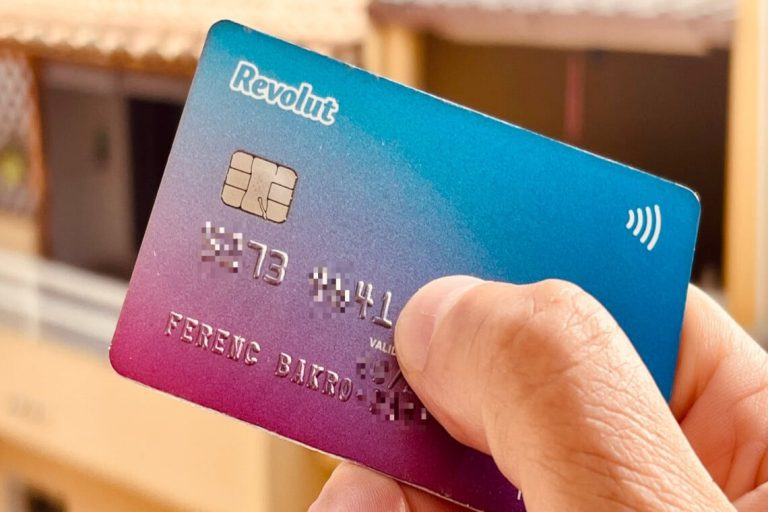
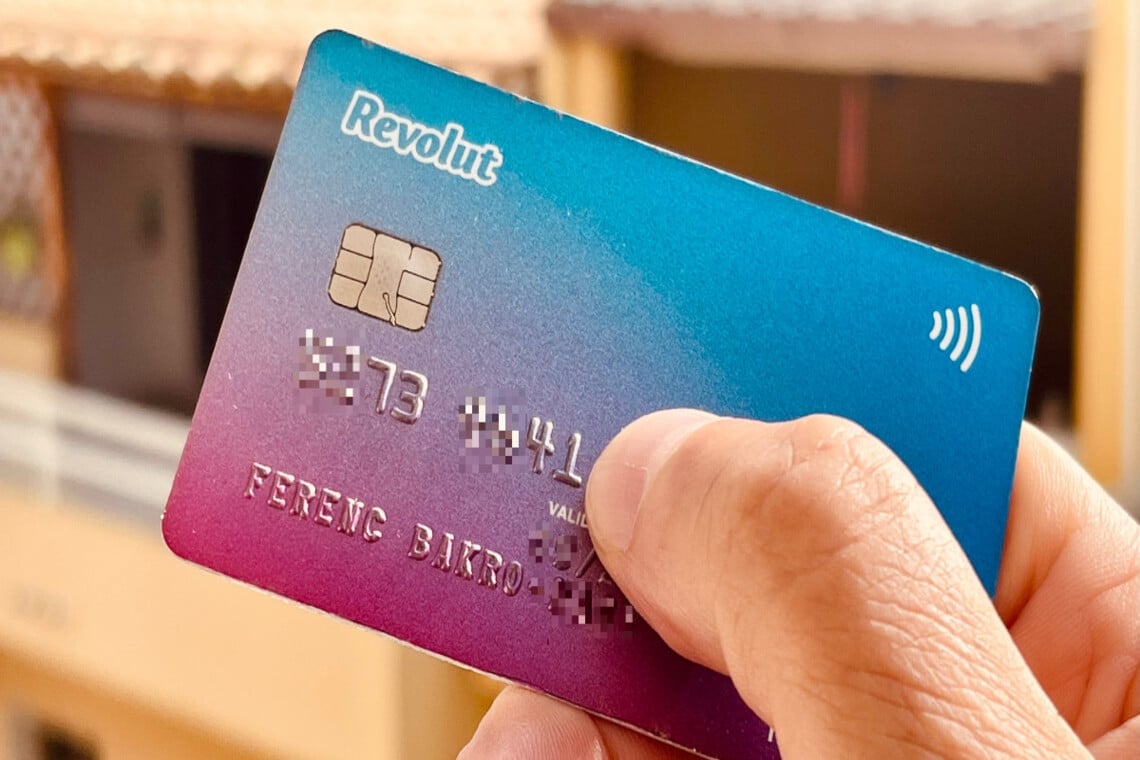
Buying Bitcoin through Revolut is becoming increasingly popular, offering a convenient way to access the cryptocurrency market. This guide dives deep into the process, from initial setup to transaction monitoring, while also exploring associated security concerns and alternative purchasing methods.
Revolut, a popular financial app, now facilitates Bitcoin purchases. This allows users to easily integrate cryptocurrency into their existing financial management, though it’s important to be aware of the risks and understand the process.
Introduction to Bitcoin and Revolut
Bitcoin, a decentralized digital currency, operates independently of central banks. It leverages blockchain technology to record and verify transactions, ensuring transparency and security. This peer-to-peer system allows for direct transactions without intermediaries, reducing costs and increasing accessibility. Bitcoin’s value is determined by market forces, making it susceptible to volatility.Revolut is a global financial technology company offering various financial services, including budgeting tools, international money transfers, and travel-related features.
Their user-friendly mobile app has attracted a significant user base seeking convenient and often cost-effective financial solutions. Revolut’s platform aims to provide comprehensive financial management and international payment options.The buying of cryptocurrencies through financial platforms like Revolut is a growing trend. This accessibility streamlines the process for individuals interested in cryptocurrencies without the need for complex setups.
It provides a secure gateway for users to engage with digital assets.Individuals often choose to buy Bitcoin for various reasons. Some are drawn to its potential for high returns, others seek an alternative investment to traditional financial instruments. Still others view Bitcoin as a hedge against inflation or a means of diversifying their portfolios. The perceived decentralization and freedom from government control also appeal to many investors.
Bitcoin Characteristics Compared to Other Cryptocurrencies
A comparison of Bitcoin with other cryptocurrencies reveals distinctive characteristics. These differences stem from the unique design and purpose of each. Bitcoin, as the pioneering cryptocurrency, has a well-established history and a large market capitalization. This established market position has led to a more mature ecosystem of trading and support resources.
| Characteristic |
Bitcoin |
Ethereum |
Tether |
| Type |
Cryptocurrency |
Cryptocurrency, platform for decentralized applications (dApps) |
Stablecoin pegged to the US dollar |
| Purpose |
Digital currency, store of value |
Decentralized platform, smart contracts |
Stable value, alternative to fiat currencies |
| Market Cap |
Generally high |
Generally high |
Generally low, but with significant liquidity |
| Volatility |
Generally high |
Generally high |
Generally low |
Bitcoin’s market capitalization and long-standing presence are key factors to consider. However, the cryptocurrency market is highly dynamic, and new cryptocurrencies with different purposes and characteristics are constantly emerging. Each cryptocurrency presents unique advantages and disadvantages depending on the specific needs of the investor.
Buying Bitcoin Through Revolut
Revolut offers a convenient way to purchase Bitcoin, integrating it seamlessly into its platform. This process allows users to buy and sell Bitcoin using their Revolut account, leveraging the platform’s existing infrastructure and security measures. This guide will walk you through the specific procedure, outlining the steps involved, the payment methods accepted, and any associated fees.Purchasing Bitcoin through Revolut typically involves a straightforward process.
The platform guides users through each stage, ensuring a relatively smooth experience. Users can monitor the transaction’s status throughout the process, maintaining transparency and control.
Procedure for Buying Bitcoin
The Revolut Bitcoin purchase process generally follows these steps:
- Open the Revolut app and navigate to the dedicated Bitcoin section. This section typically includes a button or link for initiating the purchase process.
- Specify the desired amount of Bitcoin to purchase. Users input the amount they wish to buy and the platform displays the corresponding equivalent in fiat currency, based on the current market rate.
- Review the transaction details, including the price, fees, and the total amount to be debited from your account. This step is crucial for verifying the accuracy of the transaction before proceeding.
- Confirm the transaction. Once all details are verified, the user confirms the purchase. At this point, the transaction is initiated, and a confirmation message is displayed.
- The purchase is processed by Revolut. This process involves the transfer of funds from the user’s Revolut account to the designated Bitcoin exchange partner. The user is provided with real-time updates on the transaction status.
- Bitcoin is credited to the user’s Revolut account. The Bitcoin is transferred to the designated wallet address linked to the user’s Revolut account. Once the transaction is complete, the user receives confirmation that the Bitcoin has been successfully added to their account.
Payment Methods
Revolut accepts various payment methods for Bitcoin purchases. This flexibility ensures that users can choose the payment option that best suits their needs. Typical payment options include:
- Debit or credit cards linked to the Revolut account. The use of existing payment methods integrated with Revolut simplifies the process, reducing the need for additional accounts or transfers.
- Revolut balance. Users can directly use funds already available in their Revolut account to purchase Bitcoin, streamlining the transaction process.
Transaction Fees
Revolut may impose fees associated with Bitcoin purchases. These fees typically include platform transaction fees, network fees (associated with the Bitcoin blockchain), and potentially exchange fees.
- Transaction fees vary depending on the chosen payment method and the amount of Bitcoin being purchased. Fees can be variable, so it’s important to review the specific transaction details before confirming a purchase.
- Network fees, often associated with blockchain transactions, are not directly controlled by Revolut. These fees fluctuate based on network congestion. Users should be aware of potential fluctuations in network fees.
- Exchange fees might be applied if Revolut uses a third-party exchange to facilitate the purchase. Users should check for any exchange fees that might be added to the total cost.
Monitoring Transaction Status
Revolut provides real-time updates on the transaction status within the app. This transparency allows users to track the progress of their purchase at any time.
- Users can monitor the status of their Bitcoin purchase by accessing the relevant transaction history within the Revolut app. This feature allows for easy tracking of the entire transaction, from initiation to completion.
Security and Risks Associated with Buying Bitcoin Through Revolut
Buying cryptocurrency through platforms like Revolut introduces a unique set of security considerations. While Revolut implements various safeguards, understanding the inherent risks and taking proactive measures are crucial for a secure trading experience. Users must be vigilant and informed to mitigate potential vulnerabilities.
Potential Security Risks
Several potential security risks are associated with buying Bitcoin through Revolut, or any cryptocurrency platform for that matter. These risks include, but are not limited to, security breaches, phishing attacks, and malicious software infections. A compromised Revolut account could potentially lead to unauthorized access to funds, including the Bitcoin holdings. Furthermore, the volatility of the cryptocurrency market itself introduces risks.
Sudden price fluctuations can lead to significant losses, even with secure transactions.
Importance of Robust Security Measures
Robust security measures are paramount for cryptocurrency transactions. This includes using strong, unique passwords, enabling two-factor authentication (2FA), and regularly monitoring account activity. Users should be particularly cautious about suspicious emails, messages, or websites attempting to gain access to their personal information.
Revolut’s Security Measures
Revolut employs various security measures to protect user accounts and transactions. These measures include advanced encryption protocols, fraud detection systems, and regular security audits. Revolut also provides educational resources to inform users about potential scams and how to avoid them. Furthermore, the platform regularly updates its security protocols to adapt to emerging threats.
Scams and Fraudulent Activities
Scams and fraudulent activities are a persistent concern in the cryptocurrency market. These scams often involve phishing attempts, fake investment schemes, or fraudulent exchanges. Users should be wary of unsolicited offers or promises of high returns, as these often indicate fraudulent activity. Researching platforms and verifying their legitimacy before engaging in any transaction is critical. A crucial element of recognizing scams is being wary of unrealistic promises and unusually fast transactions.
Safety Tips for Cryptocurrency Transactions
Maintaining security during cryptocurrency transactions necessitates a multi-faceted approach. A proactive and informed user can significantly reduce their risk. Here’s a list of safety tips:
- Strong Passwords and 2FA: Employ complex, unique passwords for your Revolut account and enable two-factor authentication for added security. This is crucial for preventing unauthorized access to your account.
- Regular Account Monitoring: Actively monitor your Revolut account for any suspicious activity. Be on the lookout for unauthorized transactions or unusual login attempts. Review transaction history regularly to detect any discrepancies immediately.
- Beware of Phishing Attempts: Exercise extreme caution when opening emails, messages, or clicking on links from unknown sources. Phishing scams are designed to trick users into revealing sensitive information. Verify the authenticity of any communication or request before responding.
- Research Platforms Thoroughly: Thoroughly research any platform or exchange before engaging in any cryptocurrency transaction. Verify the platform’s reputation and security measures. Look for reviews from other users and assess the platform’s compliance with relevant regulations.
- Avoid Impulsive Decisions: Avoid making impulsive investment decisions, particularly if the offer seems too good to be true. Take your time to evaluate the risks and rewards involved before committing to any transaction.
Alternatives for Buying Bitcoin
Beyond Revolut, various platforms offer Bitcoin acquisition. Choosing the right alternative hinges on individual needs and preferences, encompassing factors like fees, security measures, and available payment methods. Understanding the diverse landscape of Bitcoin purchase options is crucial for informed decision-making.Alternative platforms provide a range of services and features, catering to different user preferences. These alternatives may offer advantages like lower transaction fees, wider payment options, or enhanced security protocols.
Comparing Revolut’s Bitcoin purchasing service with other platforms allows users to weigh the trade-offs between convenience and other potential benefits.
Comparison of Bitcoin Purchase Platforms
Different platforms employ varying strategies for Bitcoin acquisition. This section Artikels some prominent alternatives and their respective advantages and disadvantages.
The table below summarizes key features of prominent Bitcoin purchase platforms, facilitating a comparative analysis.
| Platform |
Security Measures |
Transaction Fees |
Payment Methods |
User Interface |
Regulation |
| Coinbase |
Robust security measures, including two-factor authentication and cold storage |
Variable; typically competitive |
Debit/credit cards, bank transfers |
Intuitive and user-friendly |
Highly regulated in many jurisdictions |
| Binance |
Strong security measures, including multi-signature wallets and advanced security protocols |
Variable; often lower than other platforms |
Debit/credit cards, bank transfers, and cryptocurrency deposits |
Feature-rich, but potentially complex for beginners |
Highly regulated in many jurisdictions; compliance varies globally |
| Kraken |
Advanced security measures, including multi-factor authentication and cold storage |
Competitive; often lower than traditional banks |
Debit/credit cards, bank transfers, and cryptocurrency deposits |
User-friendly, with a strong focus on institutional users |
Highly regulated in many jurisdictions |
| Cash App |
Security measures, including two-factor authentication |
Variable; typically competitive |
Debit/credit cards, bank transfers |
Simple and easy to use, particularly for mobile users |
Subject to regulations; compliance varies globally |
Potential Bitcoin Purchase Platforms
This section presents a curated list of platforms known for their Bitcoin purchasing services. Evaluating these platforms based on individual needs and priorities is essential for a successful investment strategy.
- Coinbase: A well-established and widely recognized platform, known for its user-friendly interface and robust security measures. Coinbase often attracts beginners due to its accessibility. However, transaction fees might be higher compared to other options.
- Binance: A leading cryptocurrency exchange, Binance offers a wide range of cryptocurrencies and trading options. It is renowned for its low transaction fees, but its interface can be complex for newcomers.
- Kraken: Known for its institutional-grade security and advanced features, Kraken is often preferred by experienced investors. It offers competitive fees and a wide array of trading options.
- Gemini: A regulated platform focusing on user security and compliance. Gemini prioritizes security and user experience, making it a reliable choice for investors seeking security and trust.
- Cash App: A mobile-first platform, Cash App is a convenient choice for those comfortable with mobile transactions. It is widely used for peer-to-peer transactions.
General Information About Buying Bitcoin
Purchasing Bitcoin, a digital asset, involves several methods and platforms. Understanding the process, available options, and potential pitfalls is crucial for safe and successful transactions. This section delves into the specifics of acquiring Bitcoin, including various platforms, methods, common errors, and wallet security.The Bitcoin market is a dynamic ecosystem with numerous avenues for acquiring this cryptocurrency. This overview provides a comprehensive look at these options, aiding in informed decision-making.
Summary of the Bitcoin Buying Process
The process of buying Bitcoin, generally, involves selecting a platform, creating an account, funding it, and then executing a purchase order. Different platforms utilize various payment methods, and the specific steps might vary. A user must verify their identity, choose a payment method, and input the amount of Bitcoin they want to acquire. The platform will then execute the transaction, and the Bitcoin will be deposited into a designated wallet.
Comparison of Bitcoin Buying Methods
Various methods exist for acquiring Bitcoin, each with its own set of advantages and disadvantages. Some of the most common methods include using bank transfers, credit/debit cards, or peer-to-peer (P2P) exchanges.
- Bank Transfers: This method often involves transferring funds from a bank account to a cryptocurrency exchange. It typically offers lower fees compared to credit cards, but the transaction time might be longer.
- Credit/Debit Cards: Using credit or debit cards for Bitcoin purchases is a convenient option, but it often incurs higher transaction fees. This method is quicker than bank transfers, but it’s important to be aware of potential transaction limits and security risks.
- Peer-to-Peer (P2P) Exchanges: P2P exchanges allow direct transactions between buyers and sellers. This can offer potentially lower fees, but it introduces greater risk due to the lack of platform protection. Users must exercise caution when dealing with unfamiliar parties.
Common Mistakes When Buying Bitcoin
Several pitfalls can arise during Bitcoin acquisition. Users should avoid these common errors to mitigate risks.
- Insufficient Research: Choosing a platform without thoroughly investigating its reputation, security measures, and fees is a common error. Carefully comparing platforms and their features is essential.
- Ignoring Security Measures: Neglecting strong passwords, two-factor authentication (2FA), and other security measures can expose accounts to hacking attempts. Robust security protocols are vital for safeguarding digital assets.
- Overpaying for Bitcoin: Impulsively purchasing Bitcoin without conducting price research can lead to paying a premium. Staying informed about current market trends and pricing is critical.
Available Bitcoin Wallets and Their Security Features
Several Bitcoin wallets cater to different needs and security levels. These wallets play a vital role in securely storing and managing Bitcoin holdings.
- Desktop Wallets: These wallets are installed on a personal computer. They often offer advanced security options but require active management. Examples include Electrum and Bitcoin Core.
- Mobile Wallets: These wallets are designed for use on smartphones, providing convenient access. They typically offer basic security features and often integrate with other services. Examples include Exodus and Blockchain.
- Hardware Wallets: These wallets, like Ledger Nano S or Trezor, are physical devices that store private keys offline. They provide the highest level of security, safeguarding against online threats.
Tips for Staying Safe When Buying Bitcoin
Adopting a proactive approach to security is essential when acquiring Bitcoin.
- Choose Reputable Platforms: Select platforms with a proven track record and robust security measures.
- Enable Two-Factor Authentication (2FA): Implement 2FA for added security, making it harder for unauthorized access.
- Use Strong Passwords: Create complex and unique passwords for all accounts and wallets.
- Avoid Sharing Sensitive Information: Do not disclose private keys or other sensitive information with third parties.
Specific Features of Revolut’s Bitcoin Service
Revolut’s Bitcoin service offers a relatively straightforward way to buy and sell Bitcoin, integrating it into its broader platform. However, understanding its specific features, strengths, and limitations is crucial for informed decision-making. This section delves into the nuances of Revolut’s Bitcoin offerings, comparing them to competitors’ services.
User Experience When Buying Bitcoin
The user experience for buying Bitcoin through Revolut is generally positive, aligning with the app’s overall design and ease of use. The process is typically straightforward, with clear instructions and intuitive navigation. Users can readily access the Bitcoin purchase option within the app, often with a dedicated section for cryptocurrencies.
Specific Features and Strengths
Revolut’s Bitcoin service boasts several advantages. It often integrates seamlessly with the existing Revolut app, making it convenient for users already familiar with the platform. Many users find the platform’s transparent fee structure to be a significant advantage, though this can vary based on the specific transaction. The platform’s global reach also expands the potential for users in different regions.
Transaction Limits
Revolut imposes transaction limits on Bitcoin purchases. These limits can vary depending on the user’s account type and location. It’s essential for users to check the current limits before initiating a transaction to avoid potential issues. Checking the Revolut website or app for the most up-to-date information on transaction limits is recommended.
Comparison with Competitors
Comparing Revolut’s Bitcoin purchase service to competitors, like Coinbase or Kraken, reveals nuanced differences. While Revolut emphasizes ease of use and integration with its existing platform, competitors often offer more advanced trading tools and features for experienced investors. The user experience on other platforms might emphasize different aspects, such as faster transaction speeds or a wider selection of cryptocurrencies.
For instance, Coinbase might offer a more comprehensive range of trading tools for those looking for higher-level functionality, while Revolut prioritizes ease of access for a wider audience. This difference in focus shapes the overall user experience and caters to diverse needs within the cryptocurrency market.
Unique Benefits or Perks
Revolut doesn’t offer unique, exclusive perks tailored specifically to Bitcoin users beyond the general benefits of its platform. While Revolut integrates Bitcoin into its existing ecosystem, its perks often extend to other services or features. These perks might include international money transfers, travel benefits, or budgeting tools, which are not directly related to the Bitcoin purchasing experience.
Limitations
Revolut’s Bitcoin service, while convenient, has limitations. Some users might find the range of available cryptocurrencies limited compared to other platforms. Additionally, fees and exchange rates can fluctuate and might not always be competitive with other platforms. Potential users should carefully consider the current exchange rates and fees before initiating a transaction.
Market Trends and Future of Bitcoin Purchases
The cryptocurrency market, particularly Bitcoin, is experiencing fluctuating yet dynamic trends. These trends significantly influence how and where individuals choose to purchase Bitcoin, including through platforms like Revolut. Understanding these shifts is crucial for navigating the evolving landscape of digital asset acquisition.The volatility of the Bitcoin market, coupled with its increasing mainstream adoption, presents a complex picture for the future of Bitcoin purchases.
While platforms like Revolut seek to simplify the process, factors like regulatory changes and technological advancements will continue to shape the trajectory of cryptocurrency transactions.
Current Market Trends
Bitcoin’s price fluctuations and the overall market sentiment significantly affect purchasing decisions. Increased institutional investment in Bitcoin and other cryptocurrencies have led to a more stable market in the long run. The growing adoption of Bitcoin as a payment method, despite its volatility, suggests potential for wider use. These market forces continue to reshape the landscape for cryptocurrency transactions.
Future Potential of Buying Bitcoin via Financial Apps
Financial apps like Revolut are increasingly offering Bitcoin purchasing options. The convenience and accessibility these apps provide are expected to drive further adoption. Integration with traditional financial systems is a key factor in the app’s appeal. Potential for increased user engagement and transaction volumes remains significant, particularly among younger demographics. Furthermore, the ease of use offered by such apps is expected to accelerate the integration of cryptocurrencies into mainstream finance.
Regulatory Landscape Surrounding Bitcoin Purchases
Regulations surrounding Bitcoin purchases are evolving globally. Varying regulations across jurisdictions create challenges for platforms like Revolut, requiring adherence to diverse legal frameworks. The potential for stricter regulations, alongside ongoing discussions regarding taxation and oversight, continues to shape the legal landscape for cryptocurrency purchases. A clearer regulatory environment is needed to foster greater trust and adoption of Bitcoin.
Potential Obstacles for Bitcoin Purchasing Platforms
Several obstacles could impede the growth of Bitcoin purchasing platforms. Security concerns and the potential for fraud or scams remain important considerations. Volatility in the cryptocurrency market and price fluctuations present risks for both buyers and platforms. Maintaining user trust and ensuring secure transactions are critical for the success of these services.
Forecast for Cryptocurrency Transactions
The future of cryptocurrency transactions through financial platforms like Revolut is poised for growth. Integration with existing payment systems and financial tools is likely to accelerate. Increased user adoption, driven by factors like ease of use and integration with traditional banking, will likely drive this evolution. The regulatory landscape will remain a significant factor, with ongoing adjustments and adaptations to evolving laws and standards.
Final Review
In conclusion, buying Bitcoin through Revolut presents a viable option for cryptocurrency enthusiasts. Understanding the steps, potential risks, and available alternatives is crucial for a smooth and secure experience. This guide provides a comprehensive overview to empower informed decision-making.
Expert Answers
What are the different payment methods accepted by Revolut for Bitcoin purchases?
Revolut typically accepts bank transfers and other payment methods available through its platform. Specific options might vary.
What are common mistakes people make when buying Bitcoin?
Some common errors include not thoroughly researching platforms, overlooking security measures, or failing to understand transaction fees.
What are some safety tips for cryptocurrency transactions?
Storing crypto in secure wallets, using strong passwords, and being wary of unsolicited emails or messages are important precautions.
What are the transaction limits imposed by Revolut for Bitcoin purchases?
Transaction limits for Bitcoin purchases on Revolut can vary and are subject to change. It’s best to consult Revolut’s official documentation for the most up-to-date information.